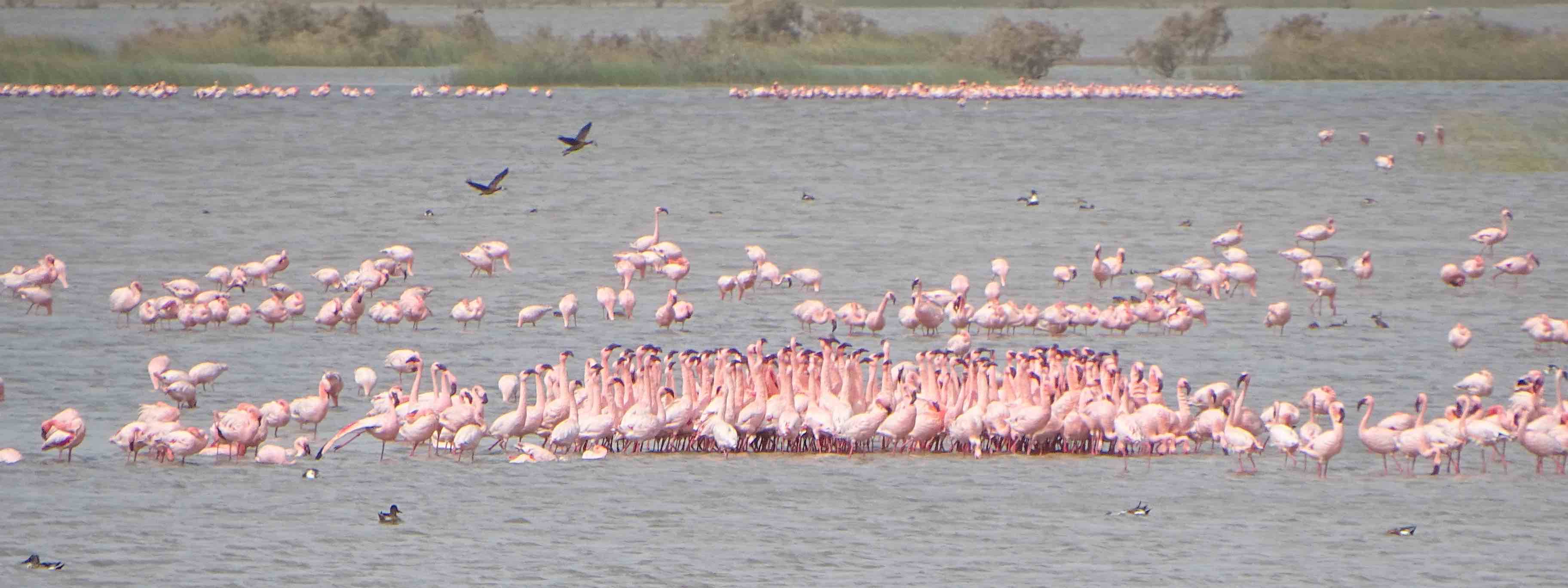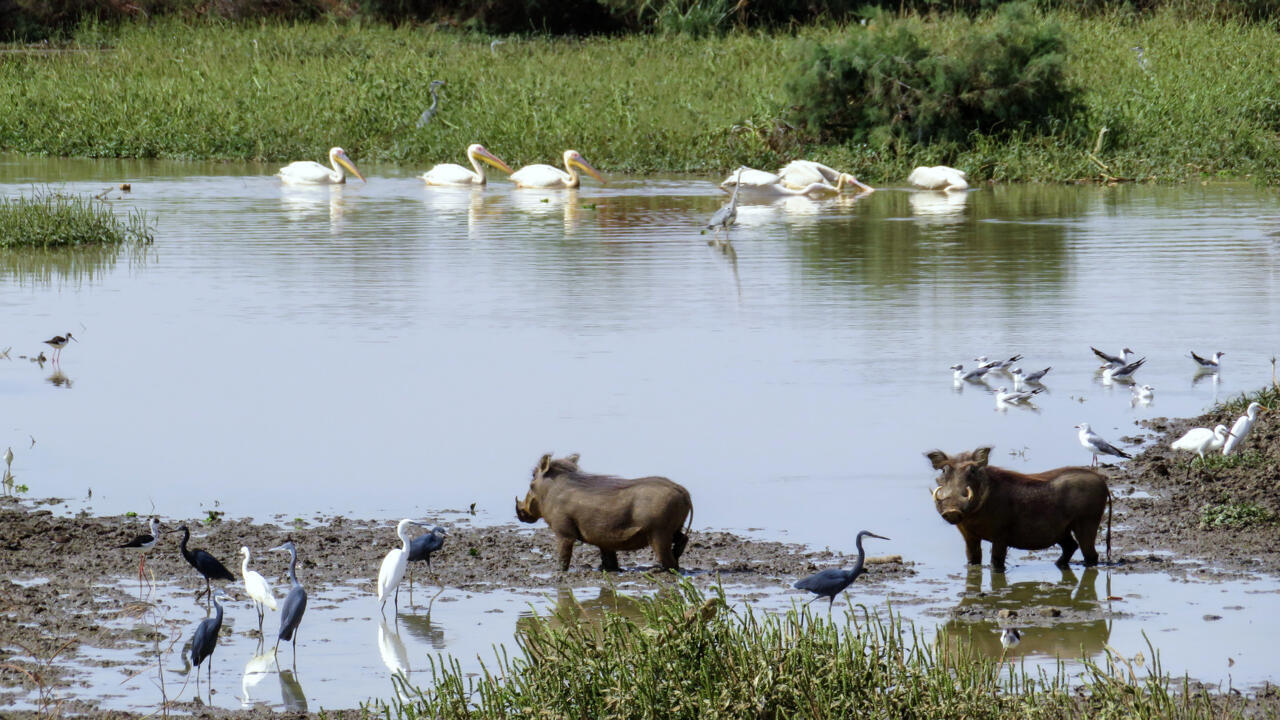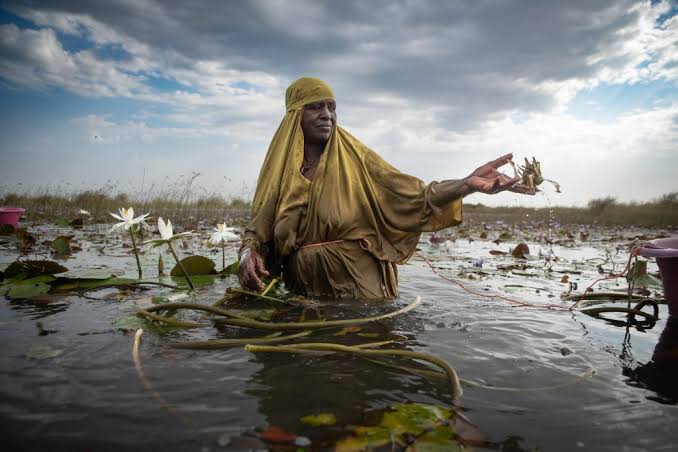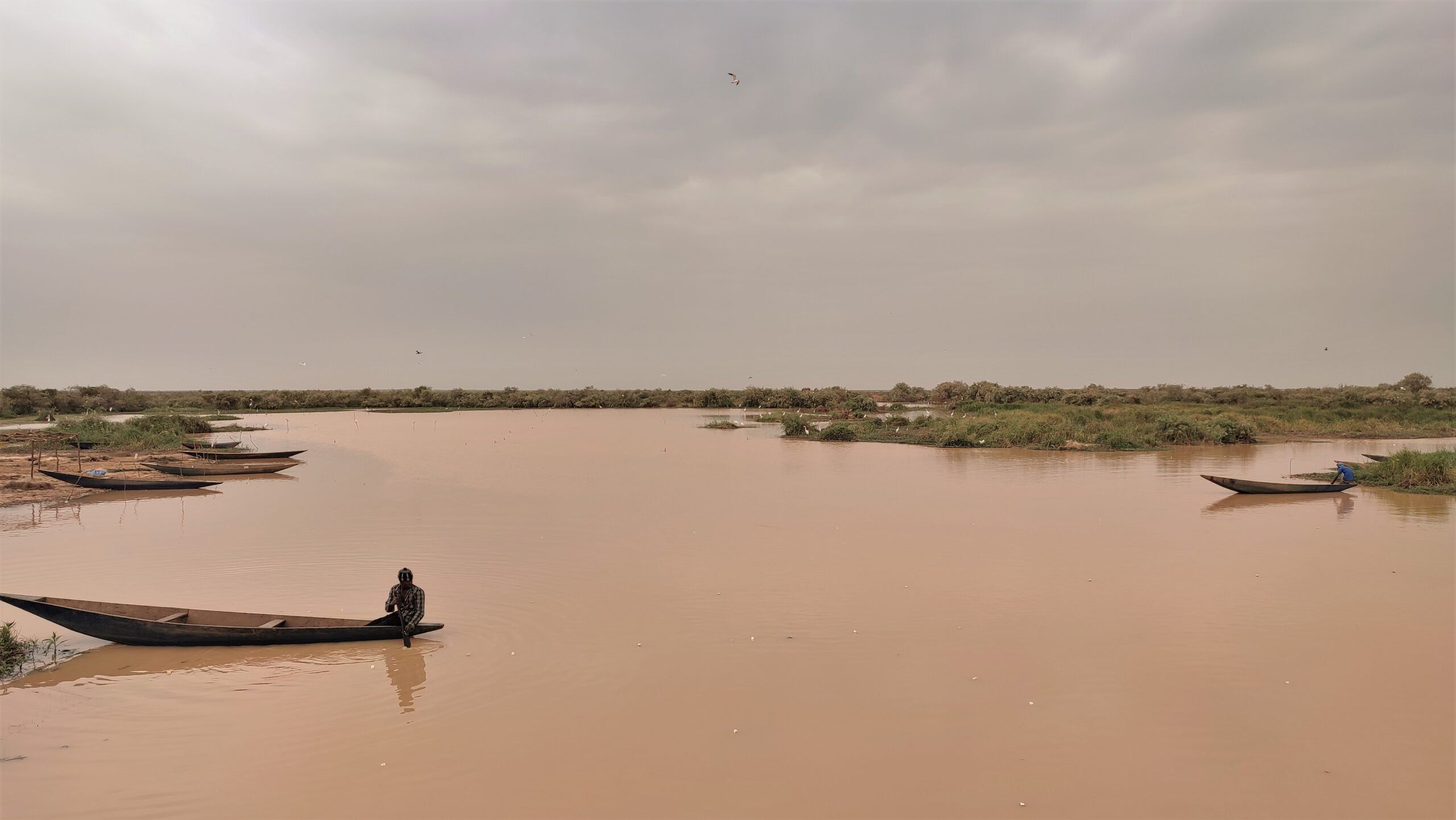
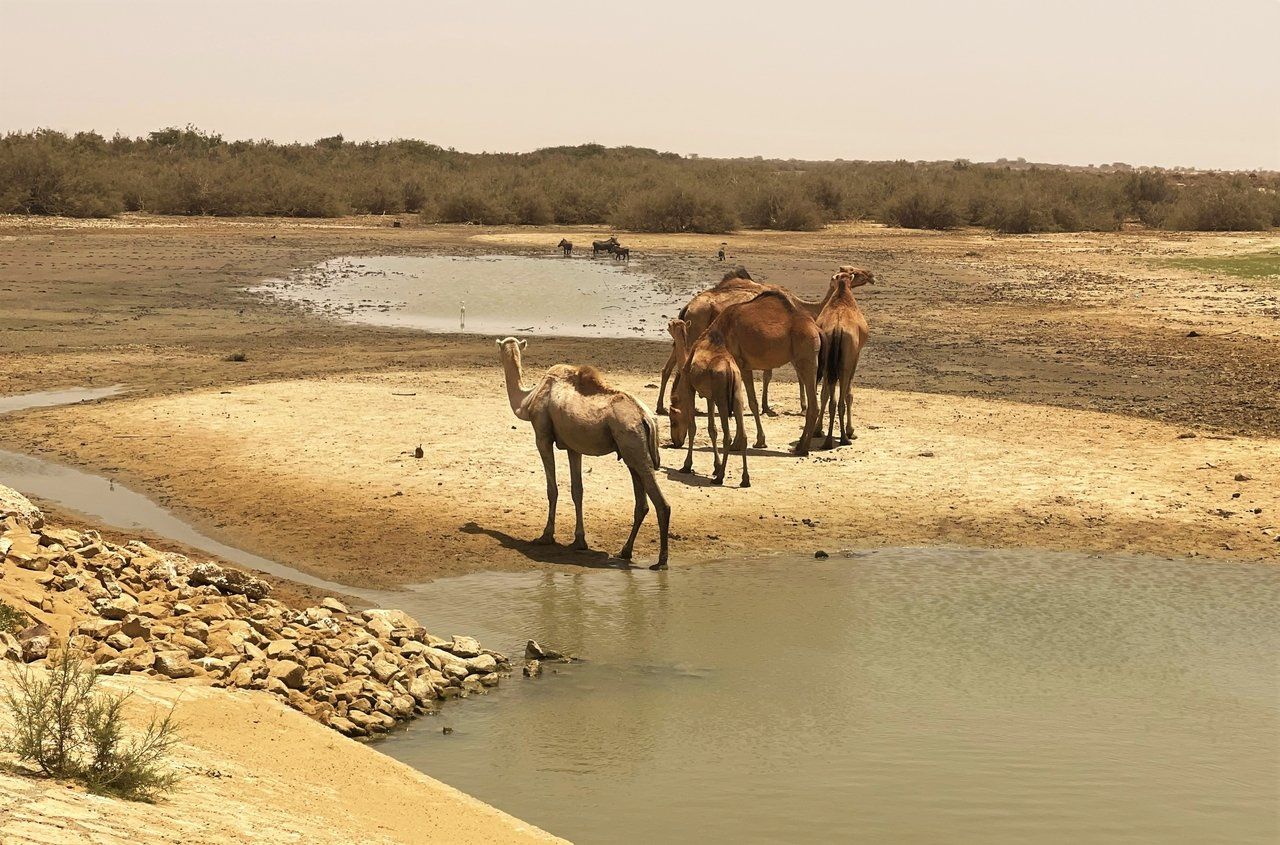
Rosso is a strategic border town in southern Mauritania and the capital of the Trarza region, set on the north bank of the Senegal River. It is known above all as an intense commercial and migratory crossroads on the Tangier–Nouakchott–Dakar axis, yet that same position gives it a character no other Mauritanian town has: here the desert ends and the river begins. Its finest sight is the riverbank itself — the ferry carrying travellers and trucks over to Rosso-Senegal on the far shore, the fishermen's pirogues, the ceaseless movement between two countries. A cross-border bridge links the two banks; check its current status before travelling, as it changes the crossing experience entirely. Rosso's market is one of the liveliest in the south: fabrics, spices, river fish and goods from both banks, in a town where Mauritanian communities meet a strong Senegalese trading presence, with languages, food and a rhythm quite unlike the north. All around stretch rice plains and irrigation schemes in the river valley — unexpected green in a desert country — and from here the roads open towards Keur Macène, Diawling National Park and the delta with its migratory birds.
🇲🇷 Mauritania
Rosso
What to see
 7 ⬚
7 ⬚
Aleg
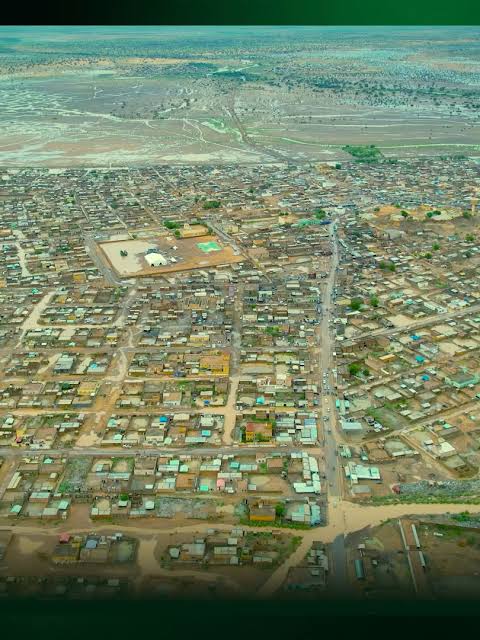
Aleg, capital of the Brakna region, owes its interest to a strategic position as a vital corridor linking Nouakchott to the interior along the Route de l'Espoir, and to the singular ecosystem of its famous lake. Although it is not a classic tourist destination like the historic towns of the north, it holds real appeal for ecological and domestic tourism. Lake Aleg is one of the region's most important bodies of fresh water, covering between 2,500 and 5,000 hectares depending on the season, and in winter it draws tens of thousands of migratory waterbirds from Europe — among them the red-billed goose and the garganey — making it a notable haven for birdwatchers. The town also carries strong historical symbolism: it hosted the Aleg Congress of 1958, which laid the first foundations of the modern Mauritanian state and the path to independence, opening the way for a tourism of memory. Aleg lies 265 km from Nouakchott and is an essential stop for fuel, food and rest for groups heading east and south. It is likewise a distinctive meeting point between the desert environment to the north and the pastoral lands bordering the Senegal River to the south, allowing visitors to discover a way of life where nomadic and farming traditions intertwine.
Tiguent (Trarza) — The Road Town between Nouakchott and Rosso
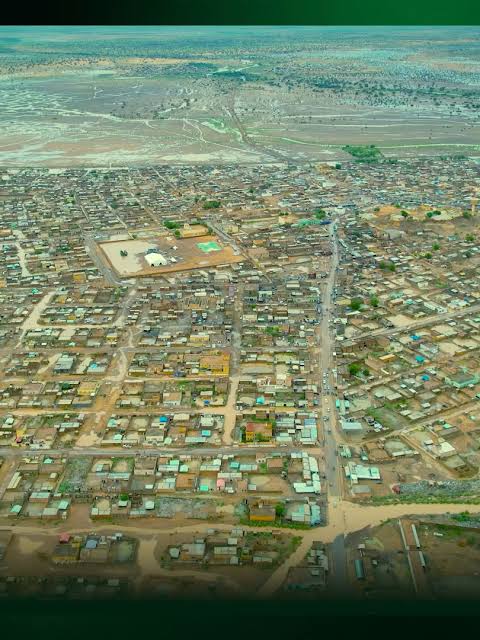
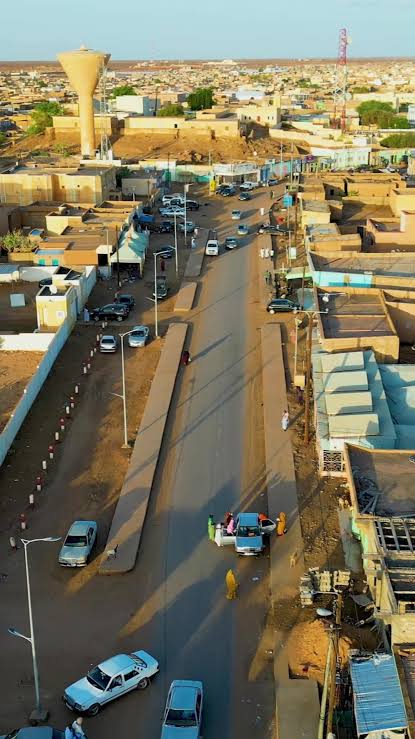
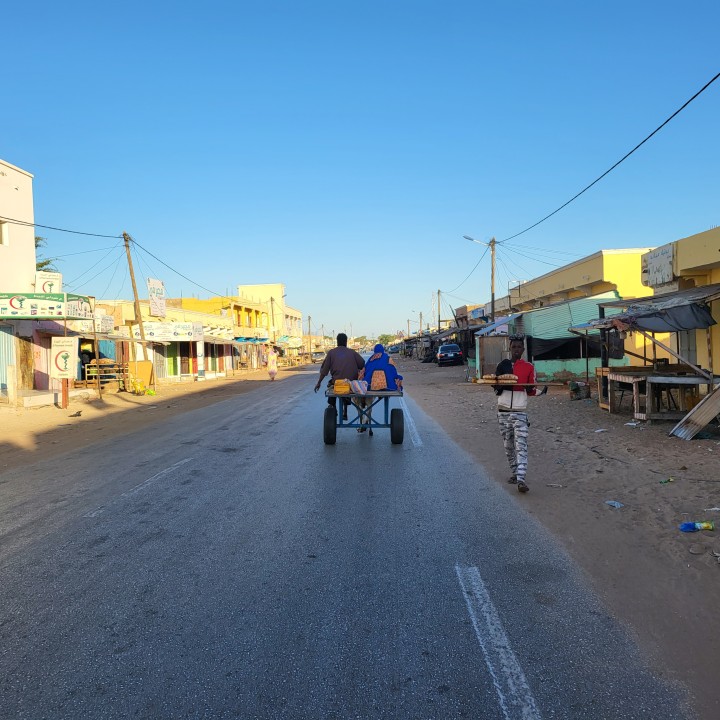
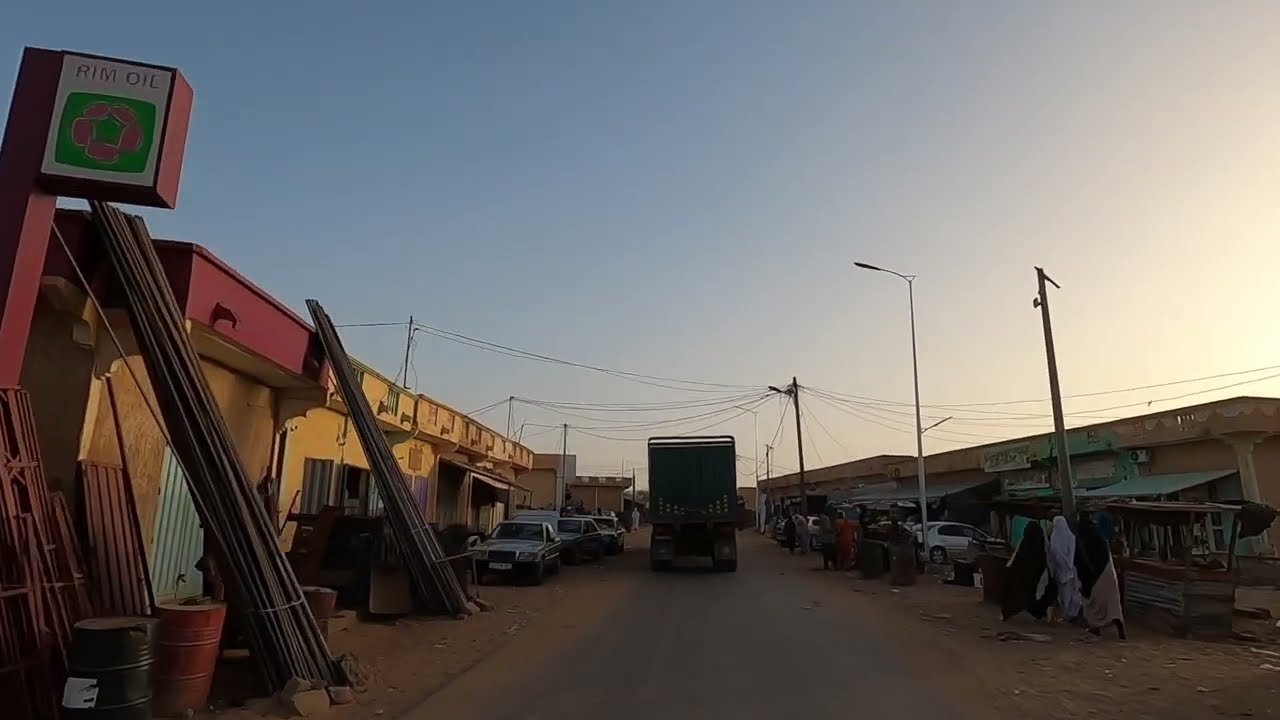
Tiguent is a Mauritanian town in the south-west of the country, in the Trarza region (department of Mederdra). It stands on National Road 1, the axis linking Nouakchott to Rosso on the Senegalese border, about 108 kilometres south of the capital and 96 kilometres north of Rosso — roughly the midpoint of a 204 km run. Its character comes from that position: Tiguent is the town everyone heading for Senegal stops in, a main rest stop for travellers and truck drivers, with its cafés and tea, roadside meals and a bustle that never quite stops from morning to night. The town has seen notable infrastructure development, with a high-voltage power line and a main transformer station commissioned here, connecting it to the capital and to the Beni Naaji area. The climate is hot and dry desert, and the best time to visit runs from December to February, when the air softens and the road south becomes a pleasure. For the visitor, Tiguent is a practical gateway to southern Mauritania: from here you continue towards Rosso and the river valley, or west towards Mederdra and the Trarza coast.
 6 ⬚
6 ⬚
Rosso (Trarza) — River, Border and Market on the Nouakchott–Dakar Axis
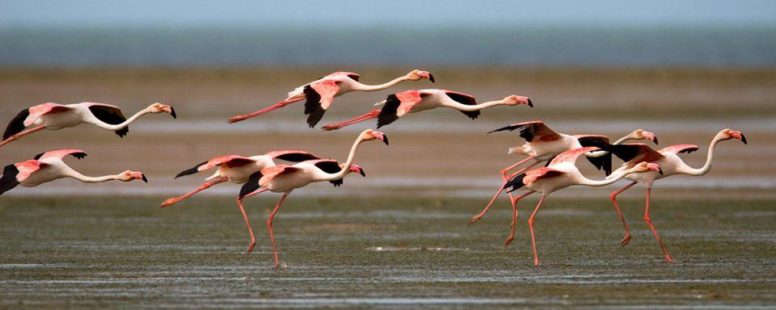
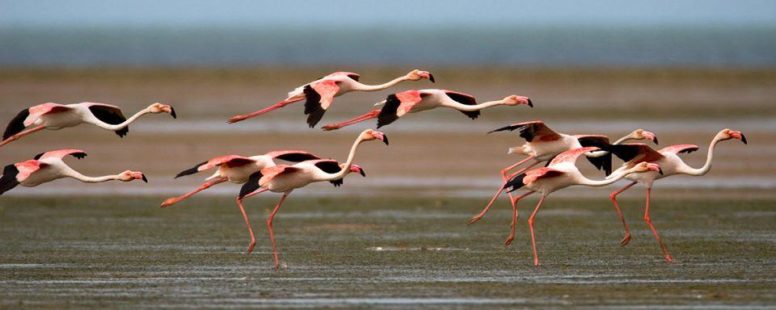
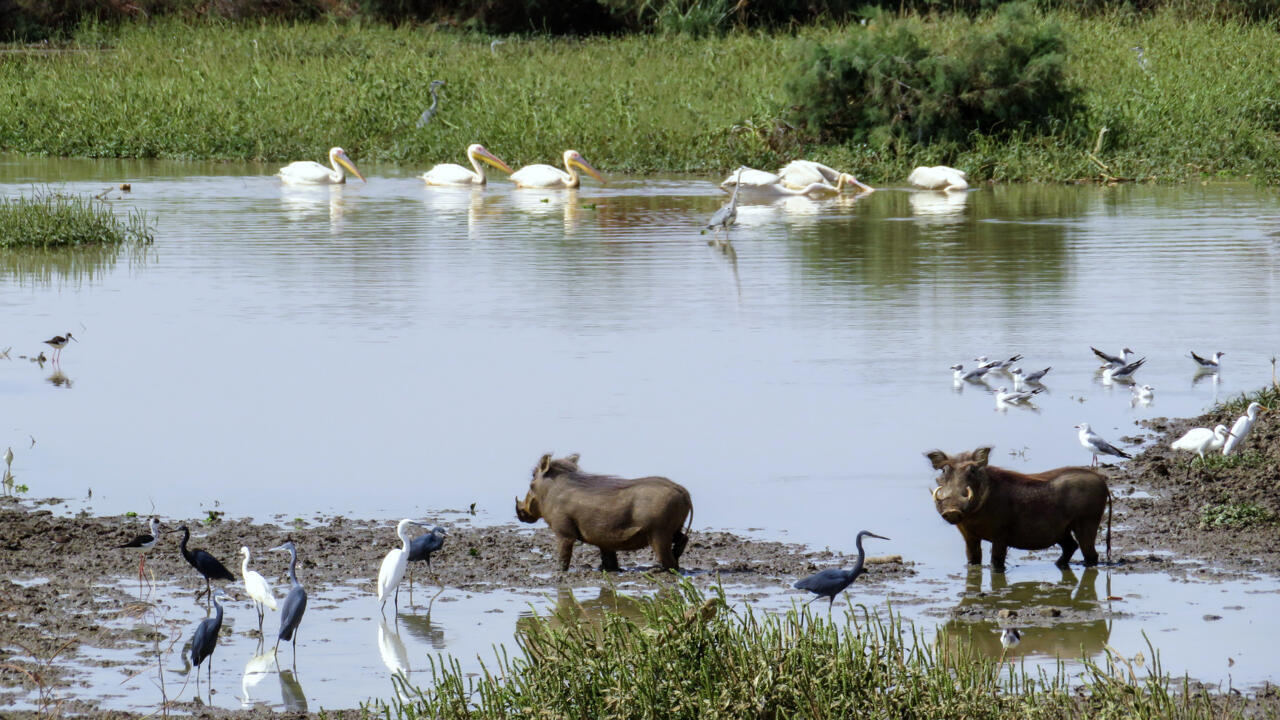
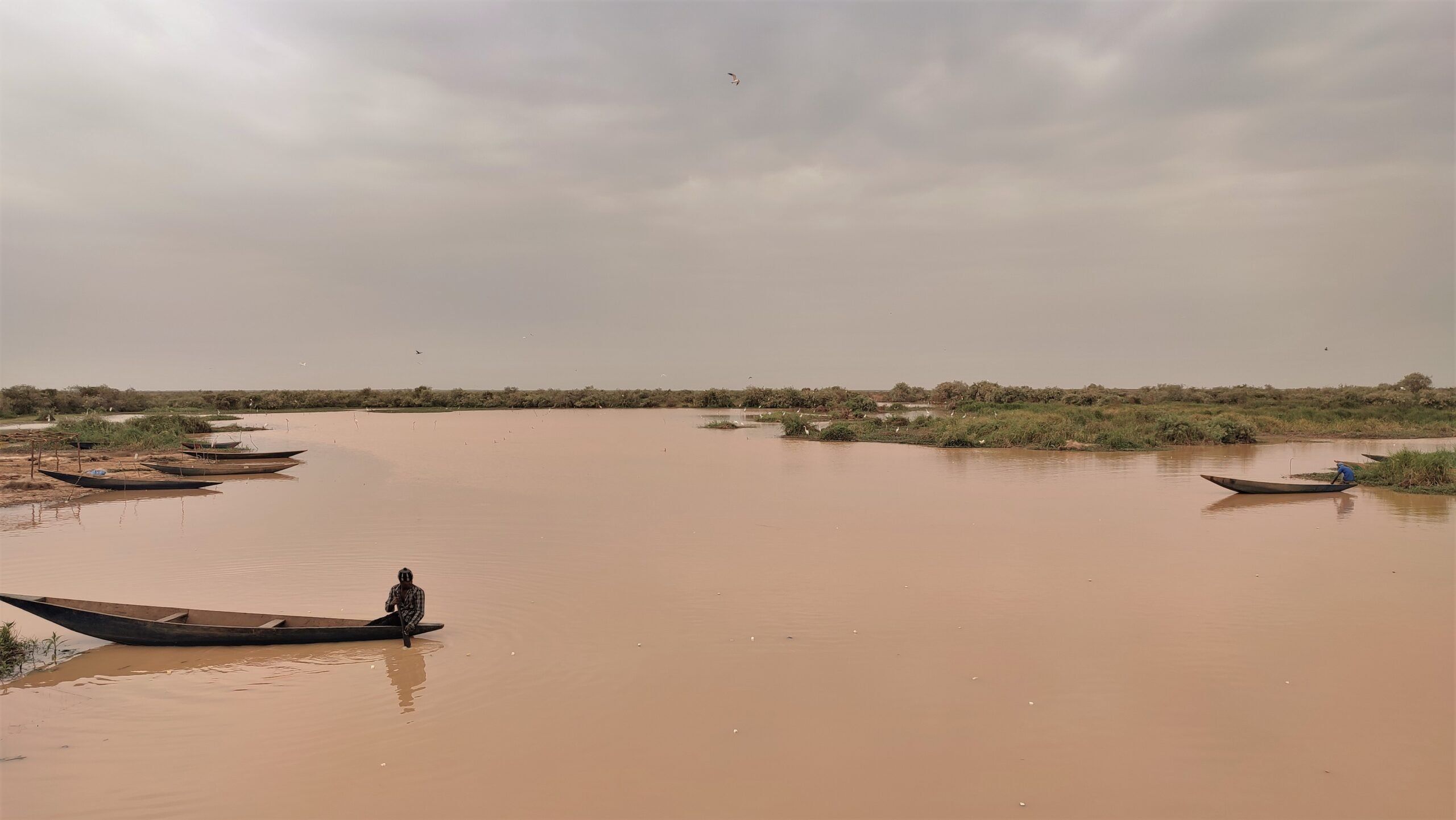
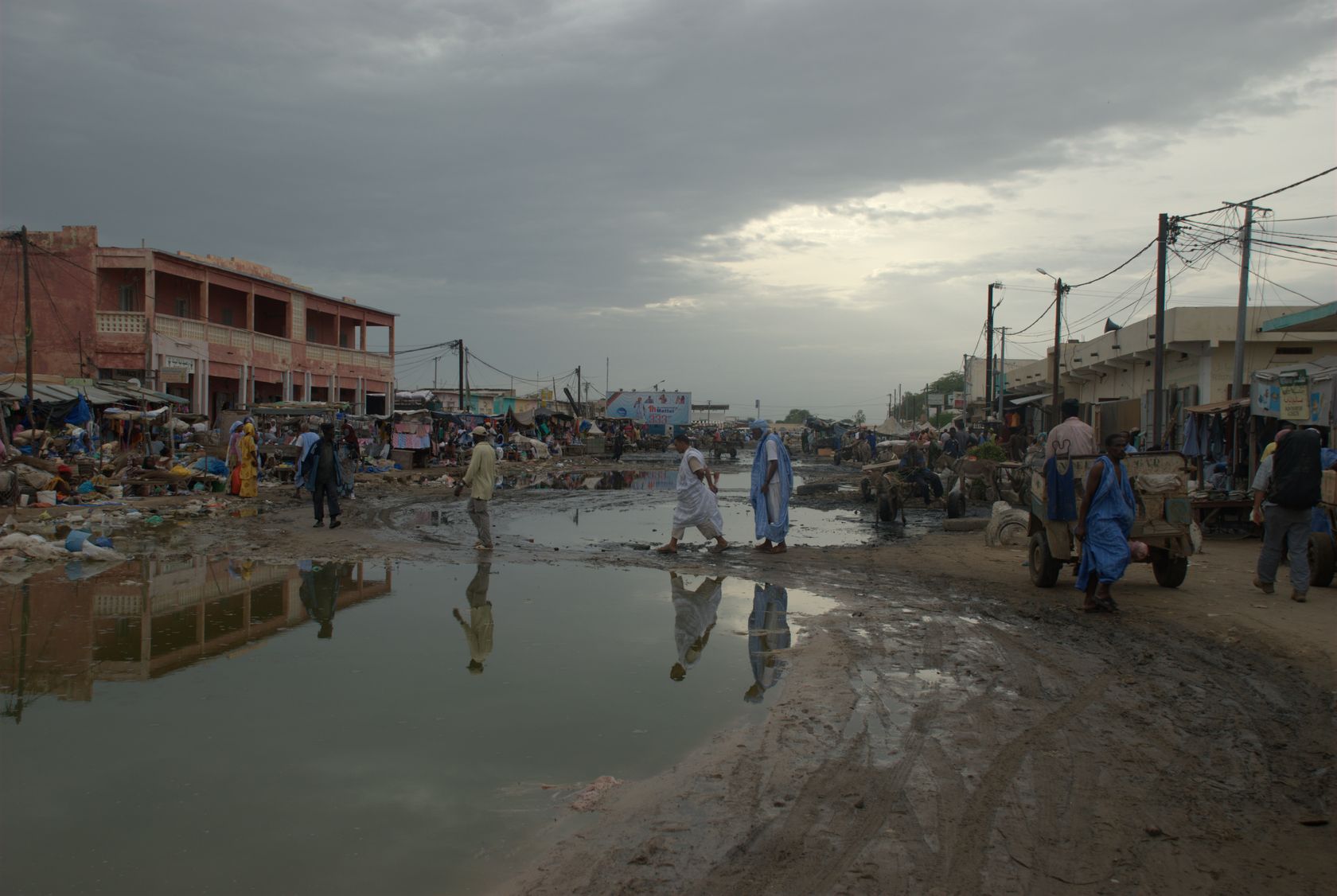
Rosso is a strategic border town in southern Mauritania and the capital of the Trarza region, set on the north bank of the Senegal River. It is known above all as an intense commercial and migratory crossroads on the Tangier–Nouakchott–Dakar axis, yet that same position gives it a character no other Mauritanian town has: here the desert ends and the river begins. Its finest sight is the riverbank itself — the ferry carrying travellers and trucks over to Rosso-Senegal on the far shore, the fishermen's pirogues, the ceaseless movement between two countries. A cross-border bridge links the two banks; check its current status before travelling, as it changes the crossing experience entirely. Rosso's market is one of the liveliest in the south: fabrics, spices, river fish and goods from both banks, in a town where Mauritanian communities meet a strong Senegalese trading presence, with languages, food and a rhythm quite unlike the north. All around stretch rice plains and irrigation schemes in the river valley — unexpected green in a desert country — and from here the roads open towards Keur Macène, Diawling National Park and the delta with its migratory birds.
 7 ⬚
7 ⬚
R'Kiz (Trarza) — A Lake in the Desert and a Farming Hub of the South-West
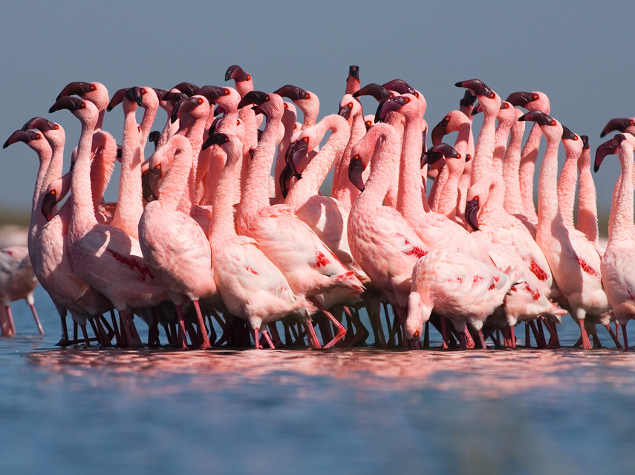
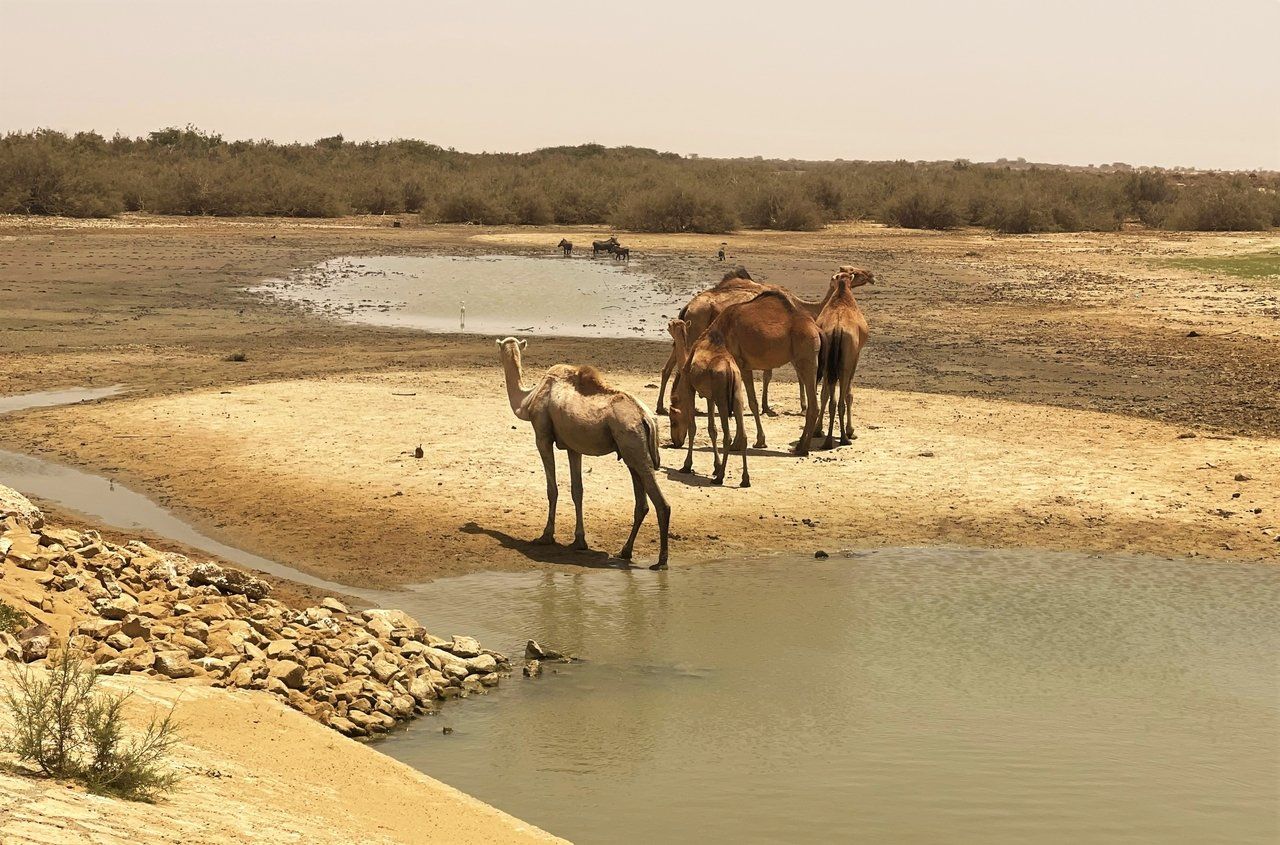
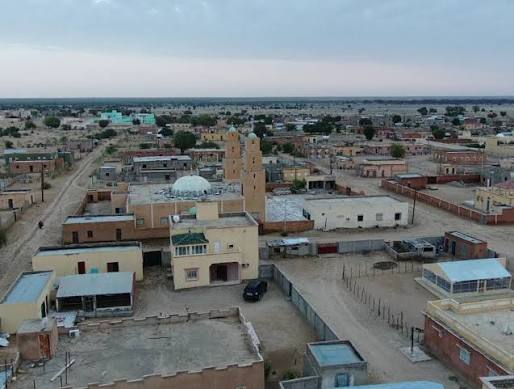
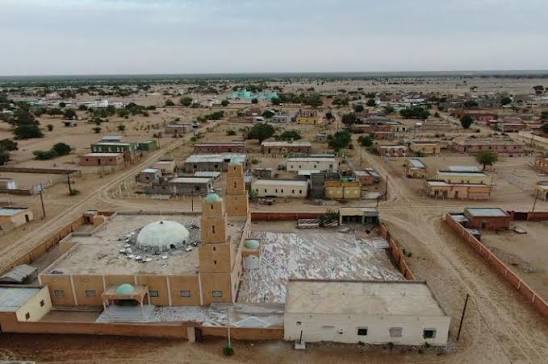
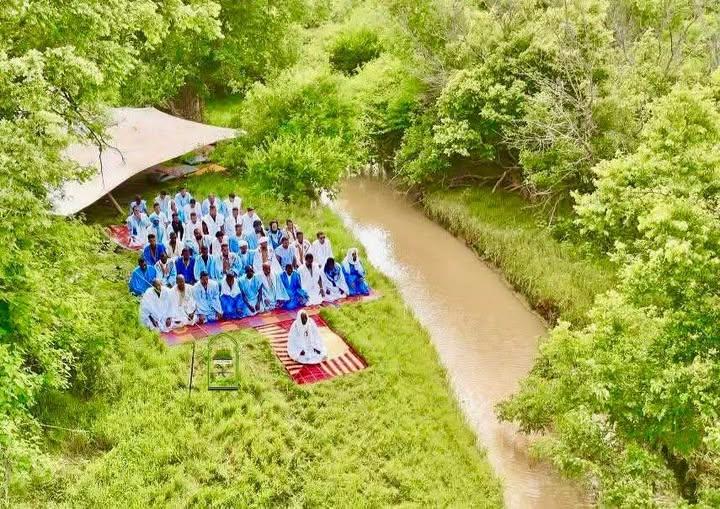
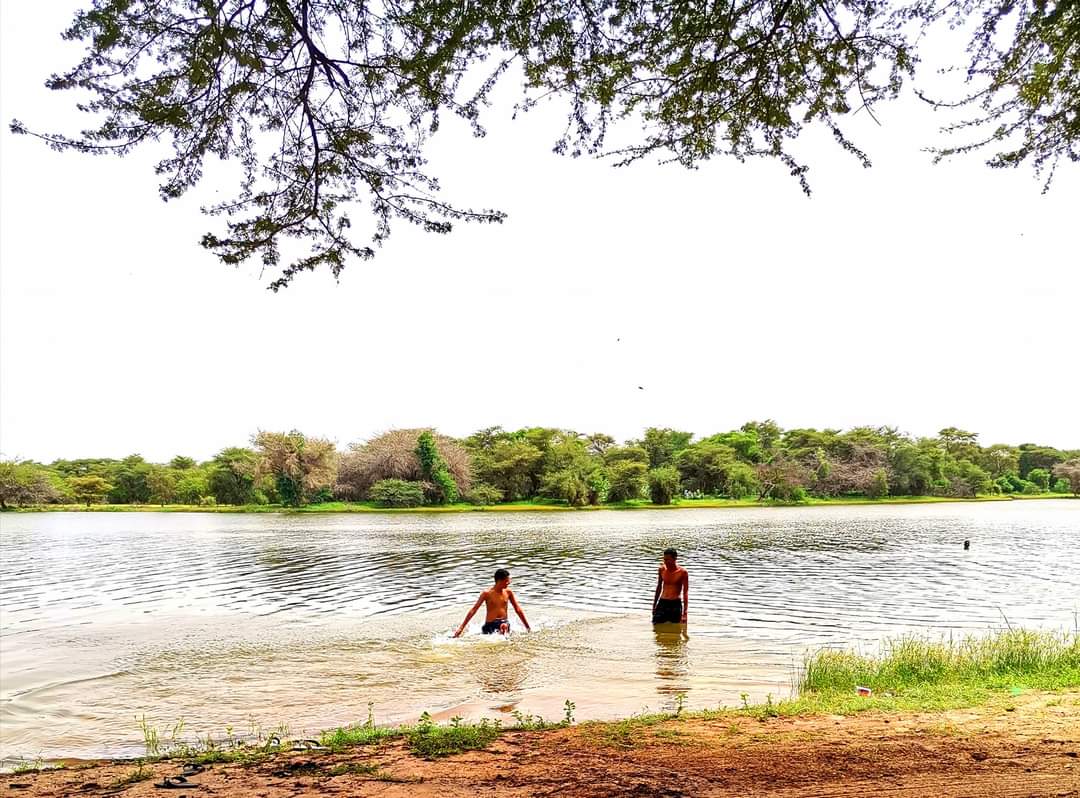
R'Kiz (also written Rkiz) is one of the key departments of the Trarza region, in south-western Mauritania, and one of the country's most important agricultural and development hubs, thanks to its strategic position and natural assets. Its emblem is the famous Lake R'Kiz, stretching 30 kilometres long and 5 kilometres wide: a vast expanse of water in a desert country, producing a scene few visitors to Mauritania expect. Life organises itself entirely around the lake — rice and vegetable growing along its shores, herds coming down to drink, fishermen and their boats, and villages living to the rhythm of rising and falling water. The area reaches its peak of beauty in the rainy season, when the banks turn green, the depressions fill and the department becomes a composition of water, grass and sand. For travellers the appeal is plain: watching waterbirds and migratory species along the shore, driving or walking the lake's edges between fields and dunes, meeting the farmers, herders and fishermen of the area, and a sunset over a sheet of water that gives back the whole sky. Its position makes R'Kiz an easy stop on a Trarza circuit between Nouakchott, Rosso and the river valley.
 5 ⬚
5 ⬚
Mederdra (Trarza) — Historic Capital of the Emirate of Trarza
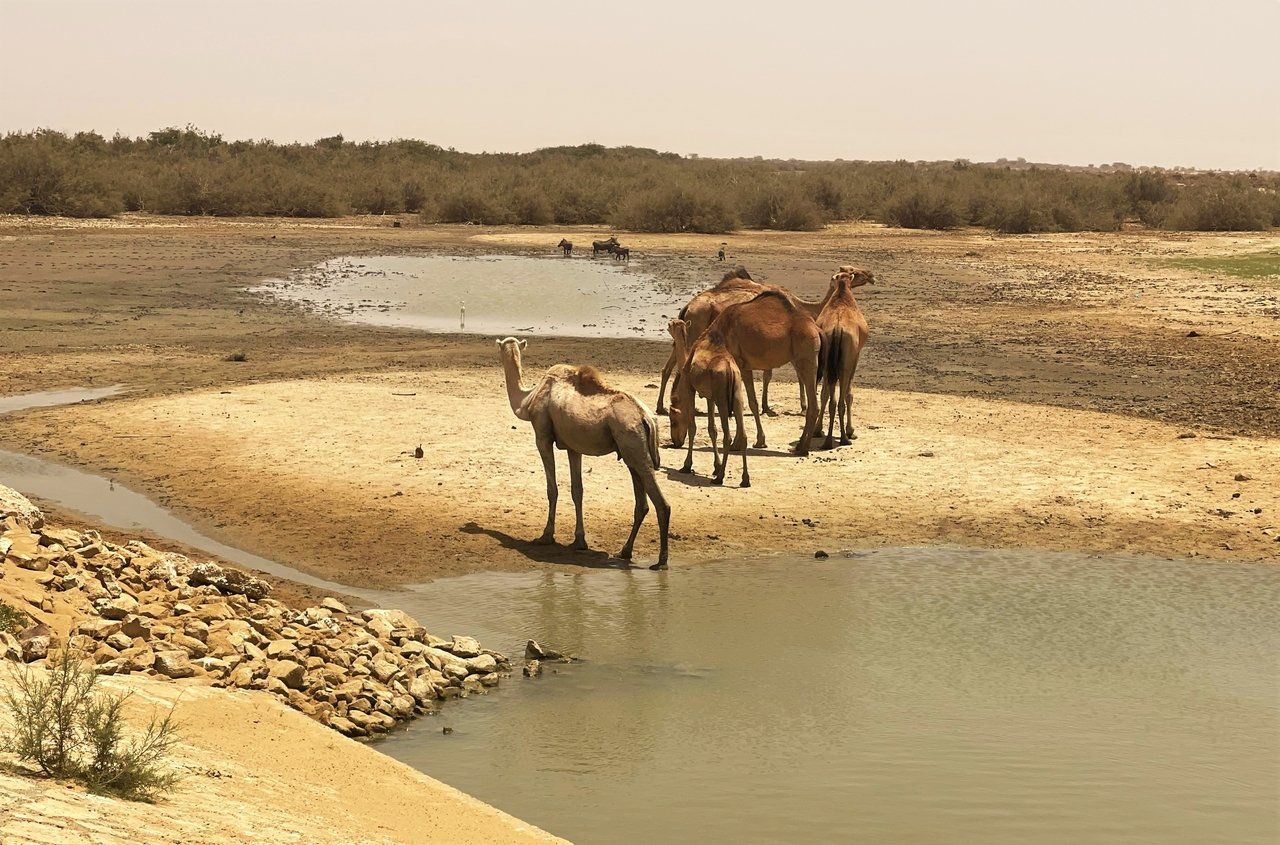
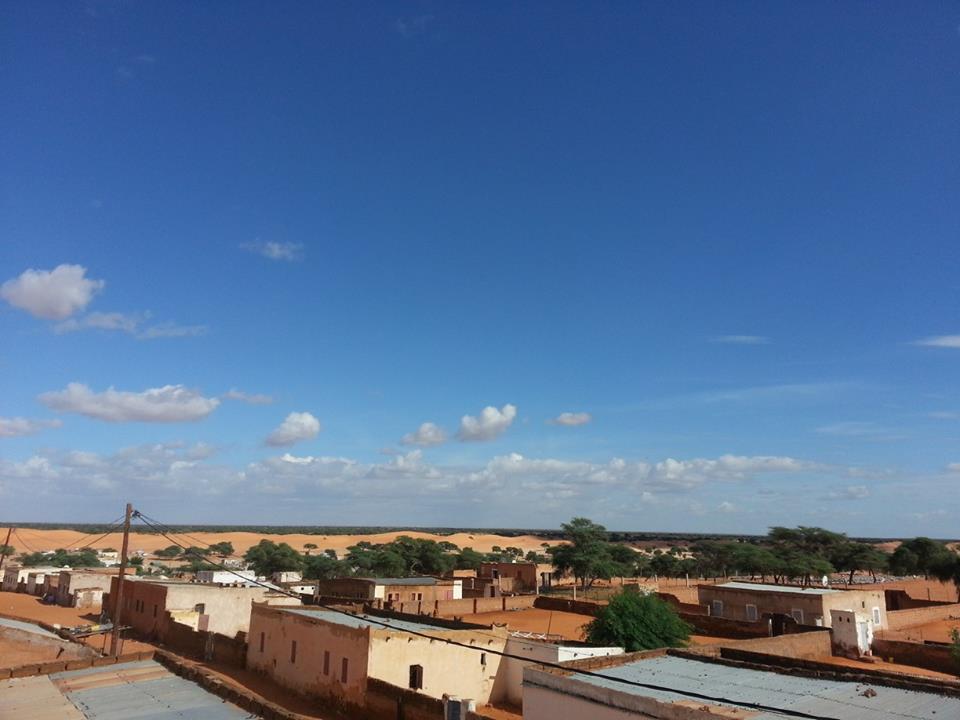
Mederdra is a town and department of the Trarza region in south-western Mauritania, and the historic and cultural capital of the Emirate of Trarza. It lies about 150 kilometres south-east of Nouakchott and some 55 kilometres north of Rosso, in a flat sandy country of dunes and pasture. Its first value is memory: this was the centre of gravity of the emirate that ruled the south-west for centuries, and the town and its countryside still carry that imprint in lineages, oral accounts and place names, and in a living Hassani culture built on poetry, the mahadra (traditional school), assemblies and the rituals of hospitality. It draws travellers interested in history and oral heritage more than seekers of stone monuments: here one listens to the narratives, visits scholarly families, sees manuscripts kept in private hands, and comes to understand the Mauritanian interior from within. Around the town stretches the Trarza steppe with its camel and sheep herds, its herders' tents and its landscapes that turn green after the rains. Its position on the Nouakchott–Rosso axis makes it an easy detour for anyone heading south: half a day is enough to change the way you see the region.
Gallery