Wilayas
Mauritanian travel agency: desert tours to Chinguetti, Ouadane, the iron ore train and Banc d'Arguin, in eight languages.
 8 What to see
Nouakchott
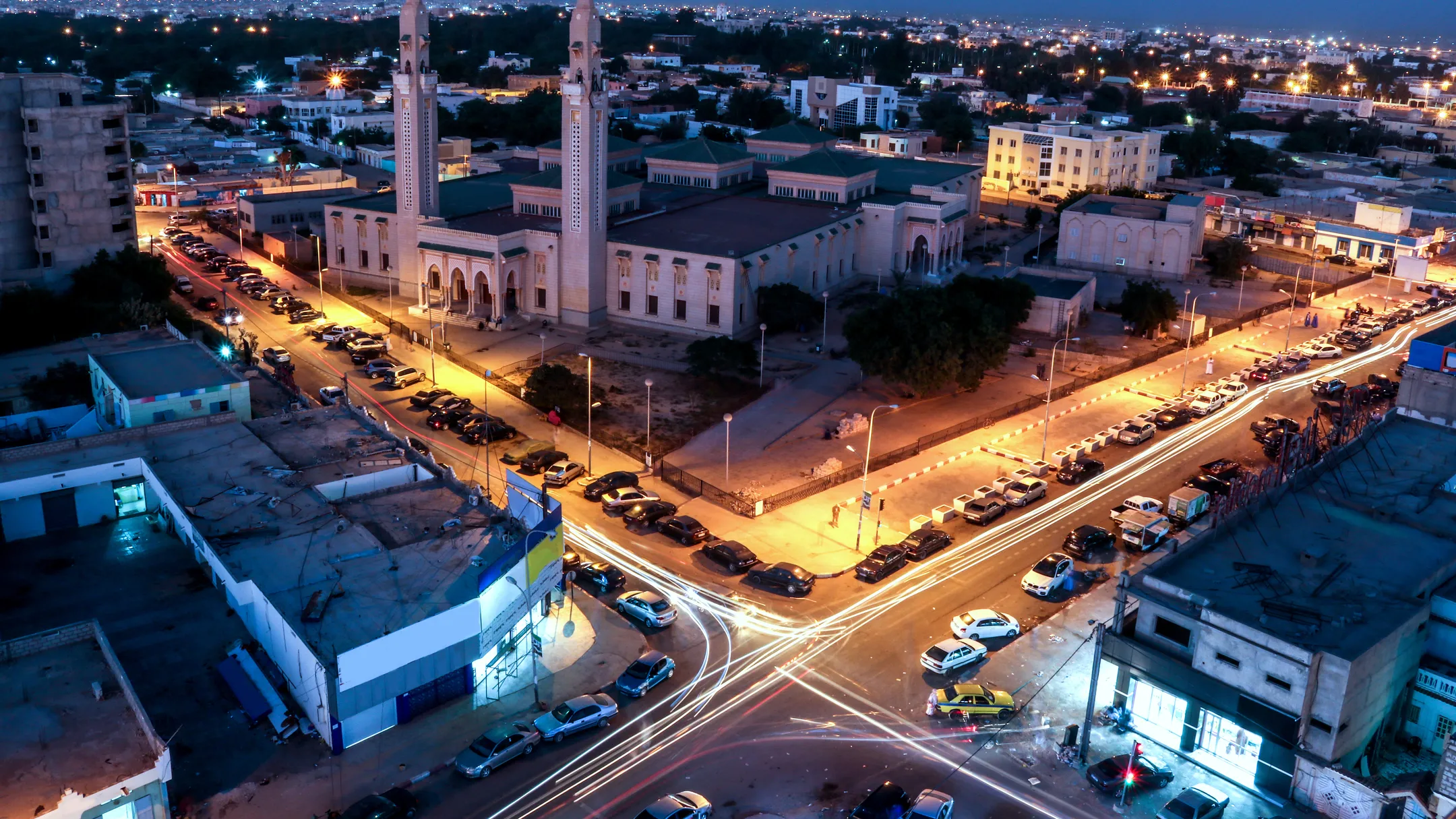
The Atlantic capital: traditional fishing port, Saudi Mosque, camel market and long sand beaches to the south.
 59 What to see
Adrar
Atar
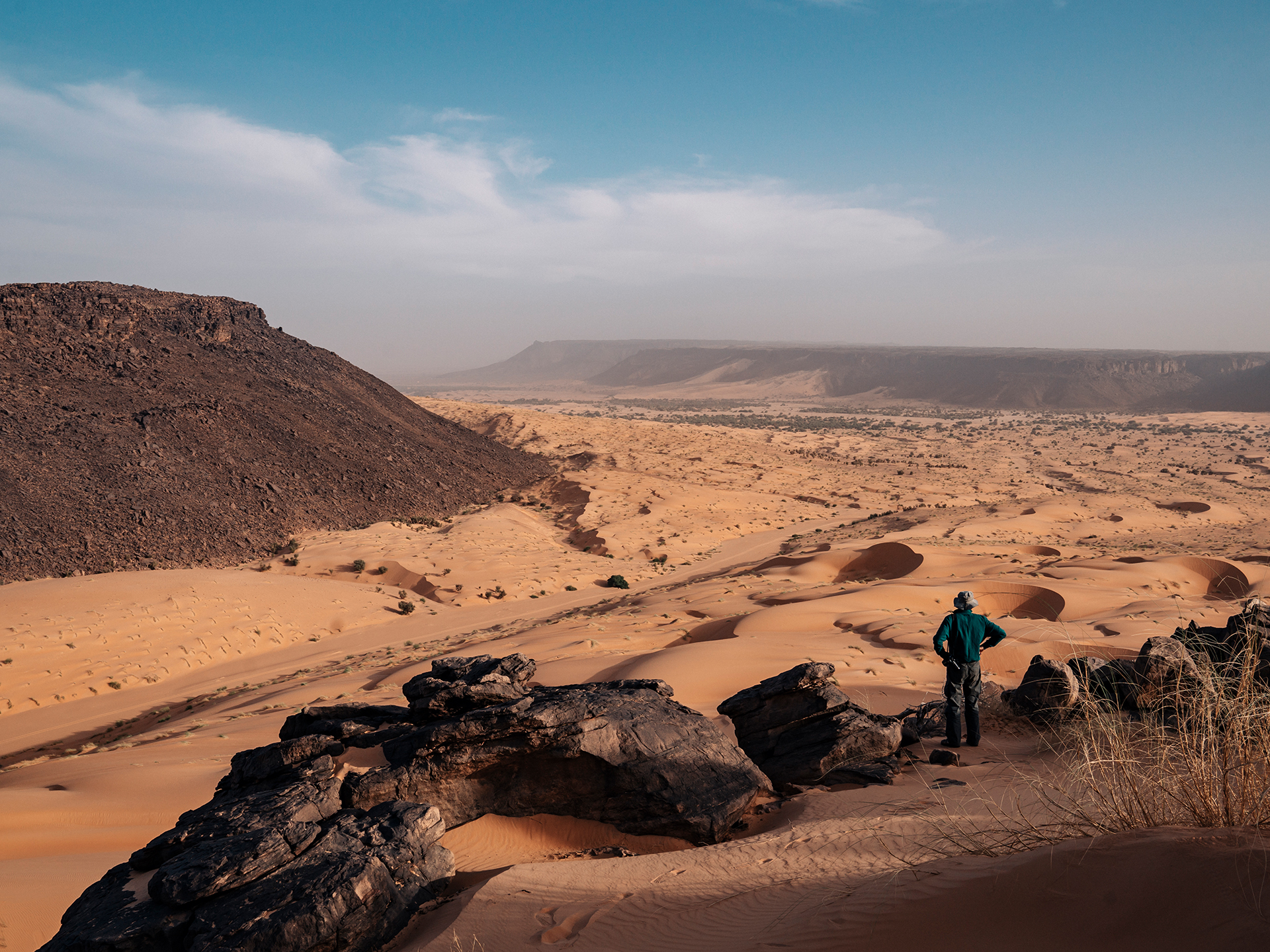
Chinguetti, Ouadane, Terjit and the Richat Structure: the Adrar holds most of what travellers come to Mauritania to see.
 5 What to see
Dakhlet Nouadhibou
Nouadhibou
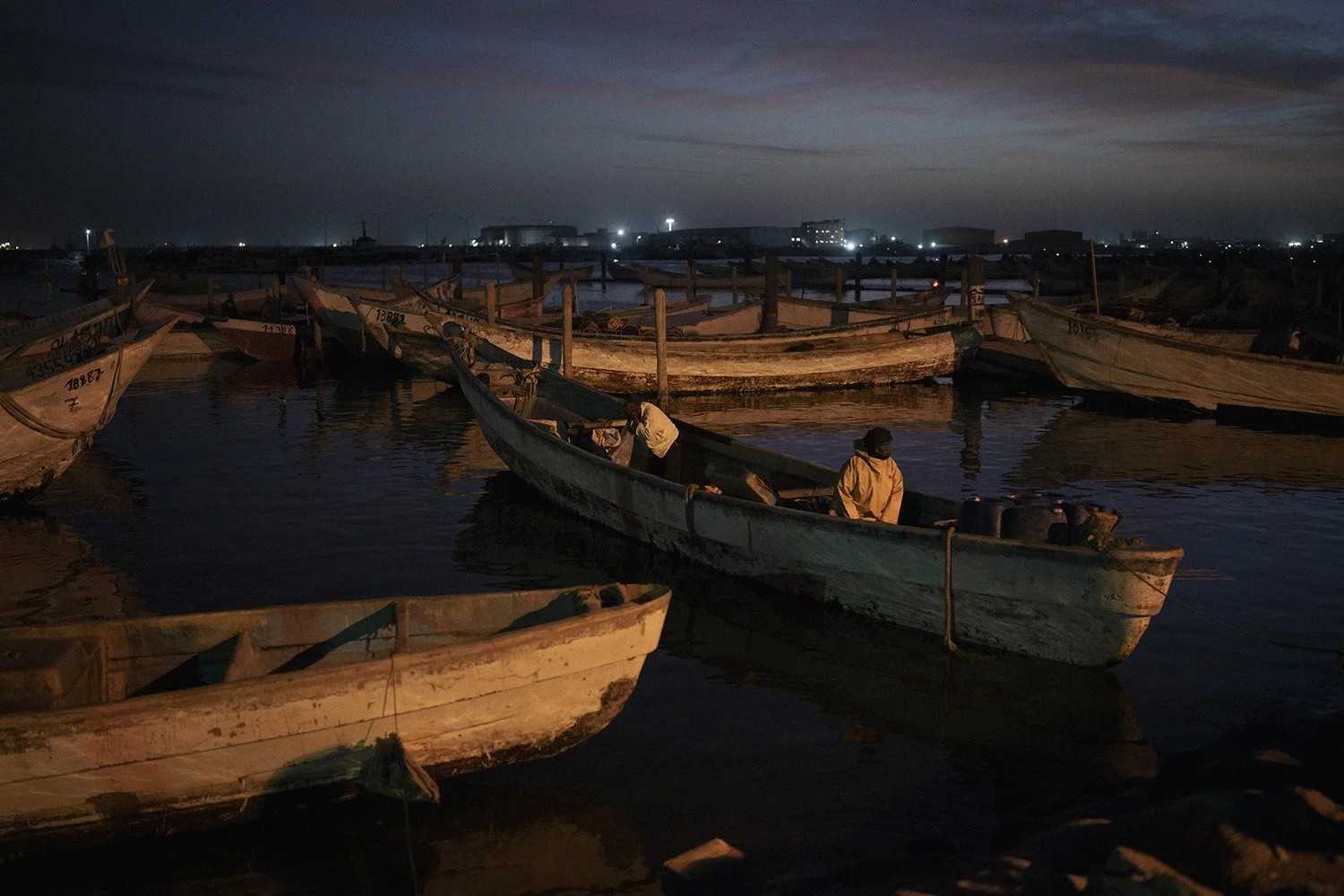
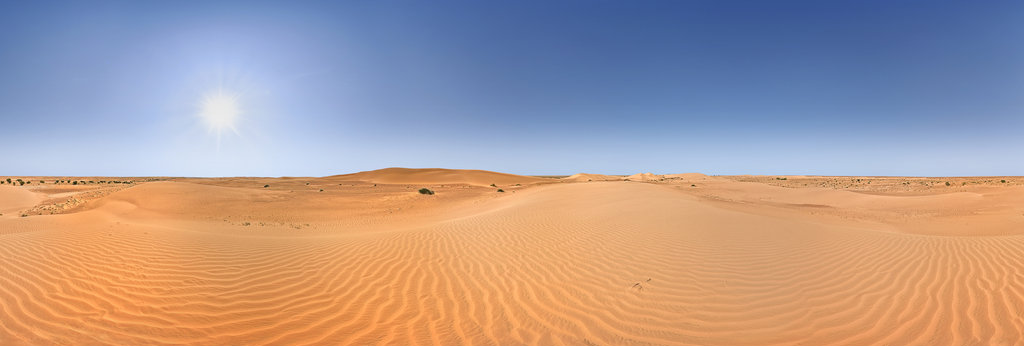
Cap Blanc, a monk seal colony, the ship graveyard and Banc d'Arguin National Park: Mauritania's maritime face.
 2 What to see
Inchiri
Akjoujt
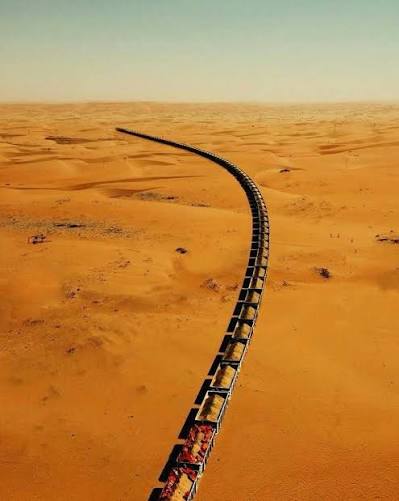
Inchiri region: the mining town of Akjoujt, the Tifoujar Pass, and open steppe on the Nouakchott–Atar road.
 7 What to see
Tiris Zemmour
Zouerate
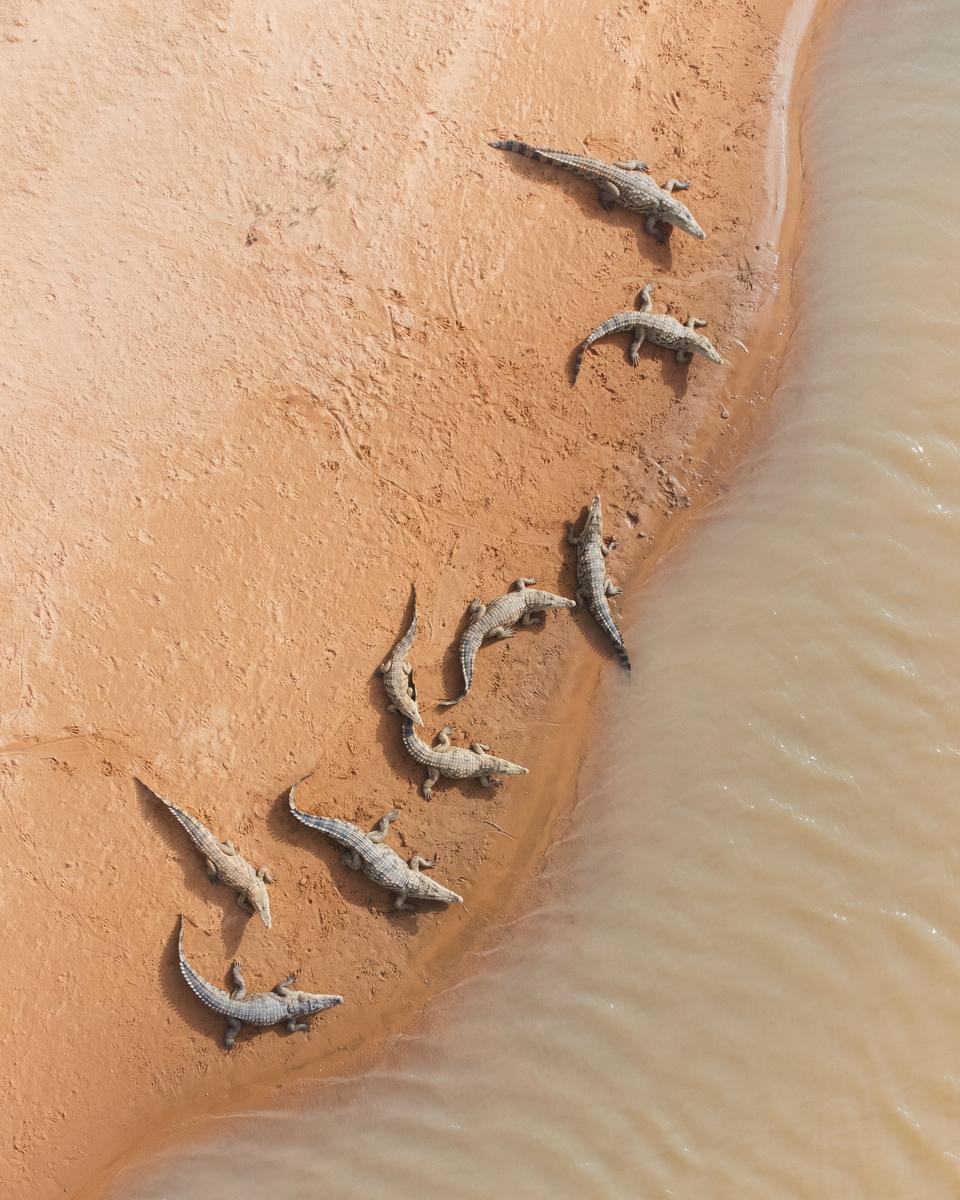
Iron country: Zouerate, Kediet Ej Jill the highest point in Mauritania, Fort Gouraud and the far north.
 19 What to see
Tagant
Tidjikdja
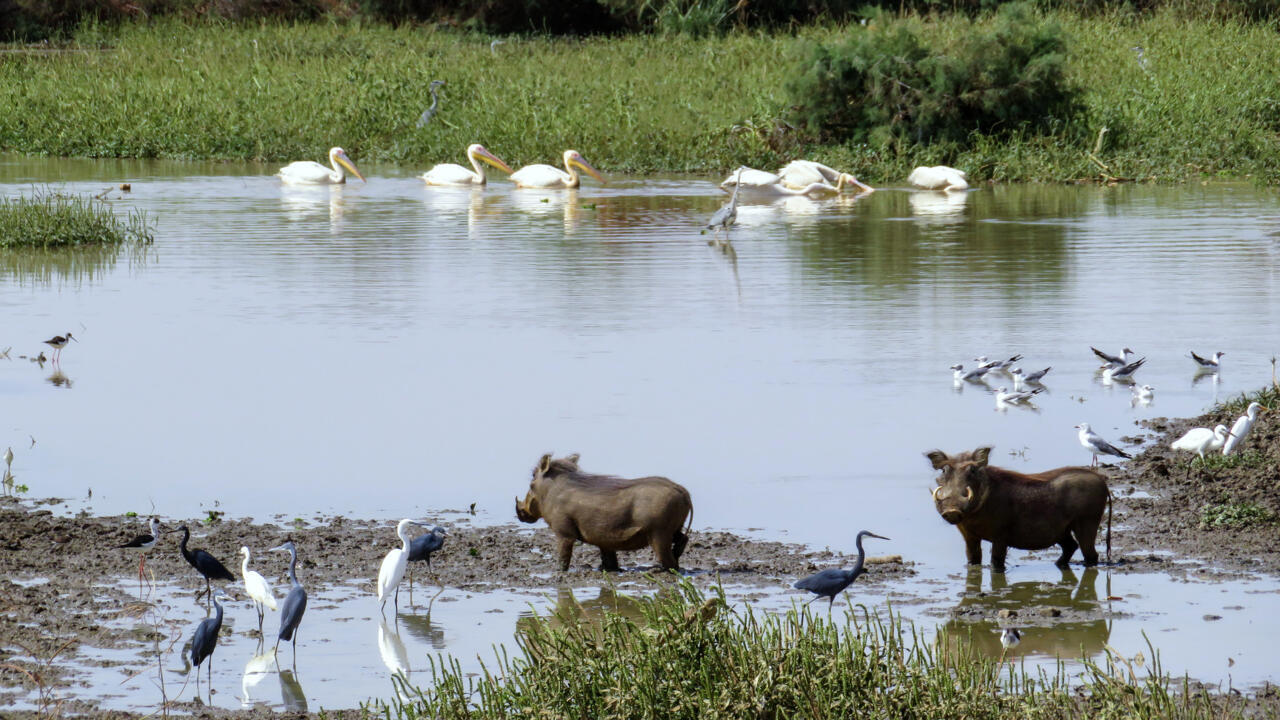
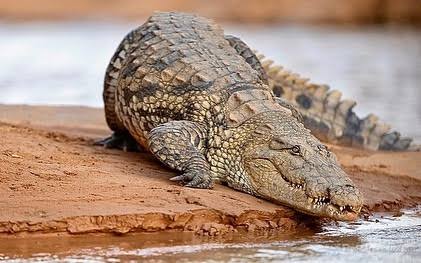
The Tagant plateau: UNESCO-listed Tichitt, the Matmata guelta and its crocodiles, Ksar El Barka and rock art.
 8 What to see
Trarza
Rosso
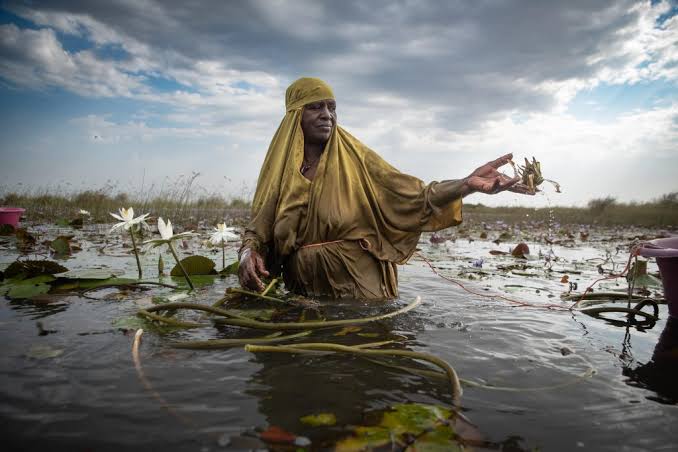
Trarza region: Diawling National Park and its birds, the border town of Rosso, and Boutilimit and its mahadras.
Brakna
Aleg
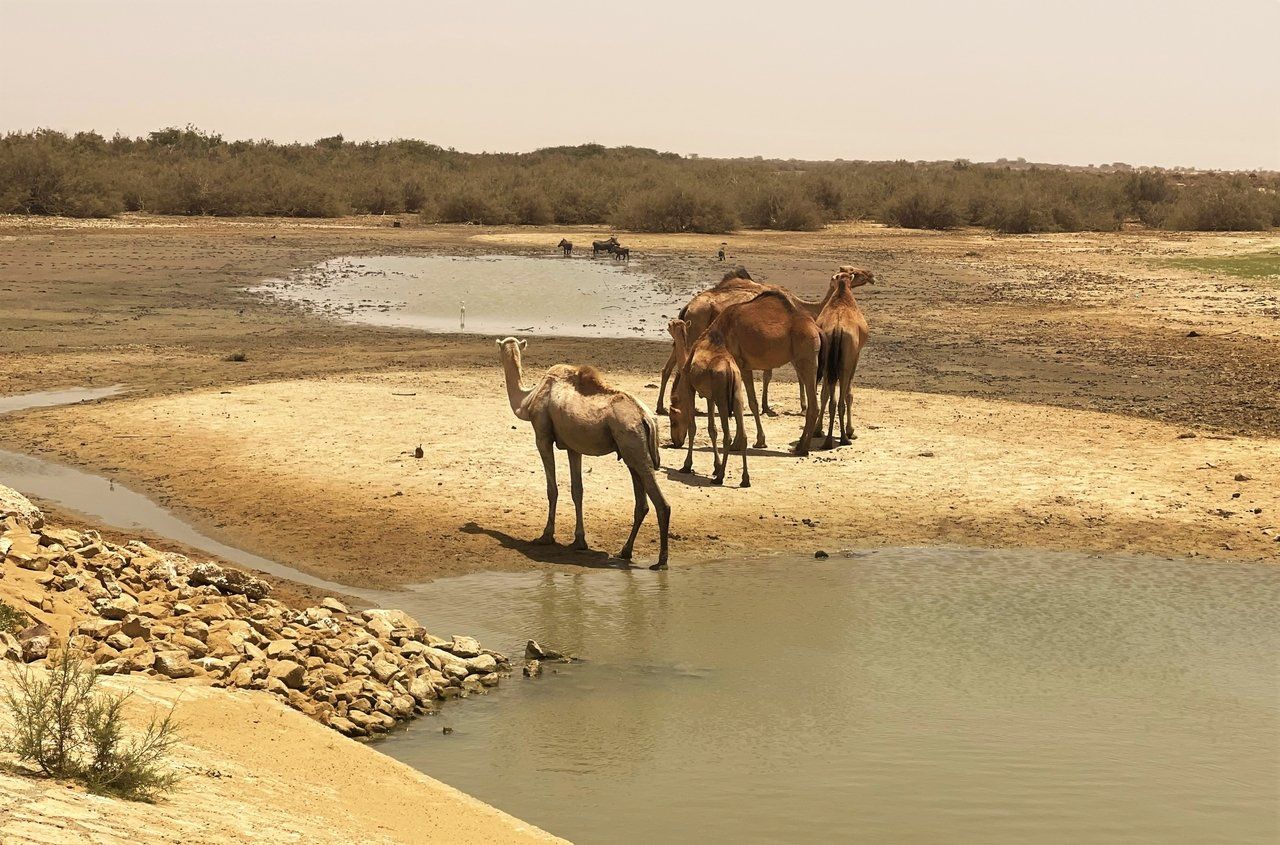
Brakna region: Lake Aleg and its birds, Boghé on the Senegal River, and the rice fields of the south.
Gorgol
Kaédi
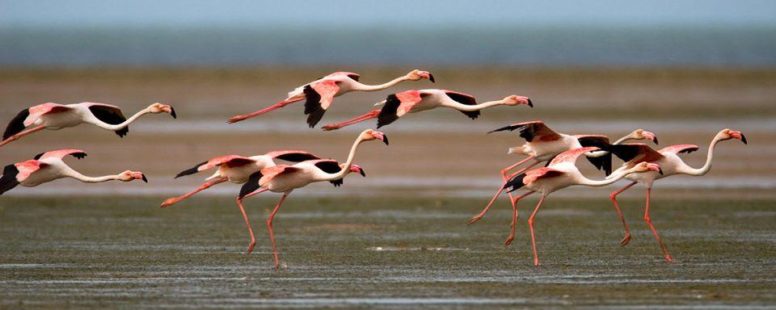
Gorgol region: Kaédi, its earthen architecture and traditional dyeing, and the Foum Gleita dam.
Guidimakha
Sélibaby
Guidimakha region: Mauritania's greenest country, the Karakoro river, and Soninke culture on the Mali and Senegal borders.
 9 What to see
Assaba
Kiffa
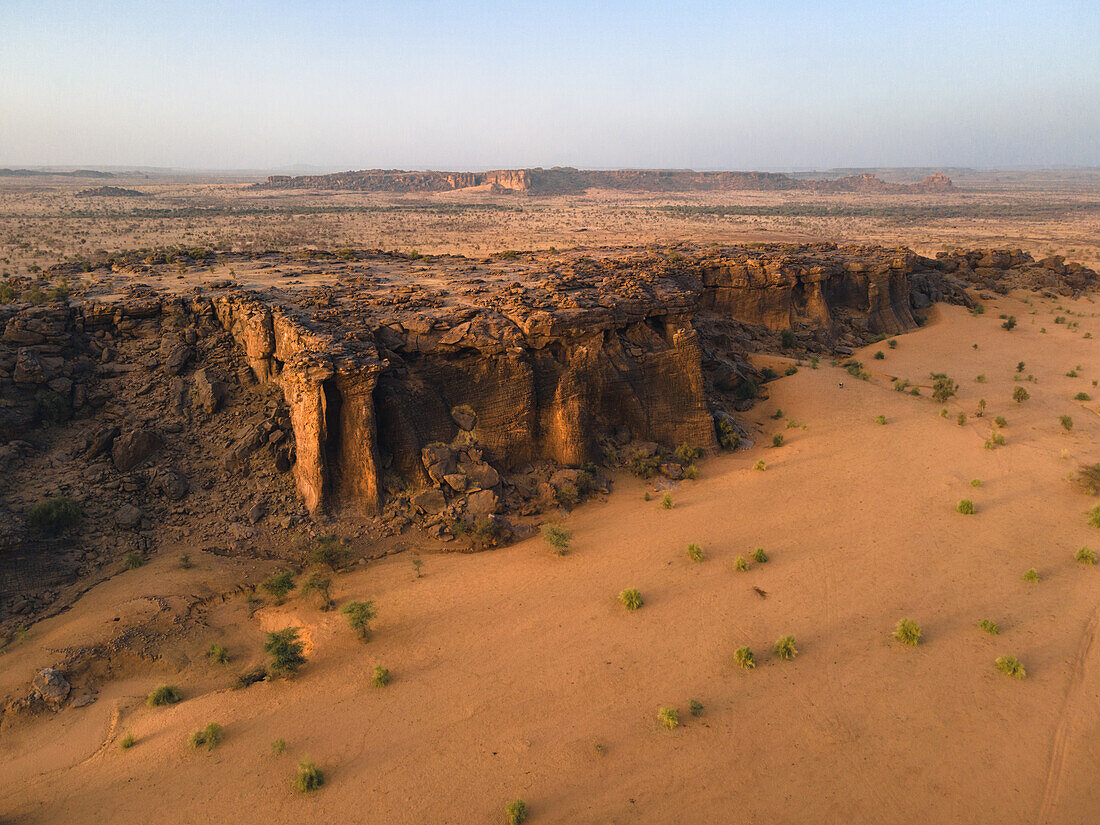
Assaba region: the glass beads of Kiffa, Lake Kankossa, and the plains of the Aftout between the plateaus.
Hodh El Gharbi
Aïoun el Atrouss
Hodh El Gharbi region: the ruins of Koumbi Saleh, capital of the Ghana Empire, and the historic site of Aoudaghost.
 5 What to see
Hodh Ech Chargui
Néma
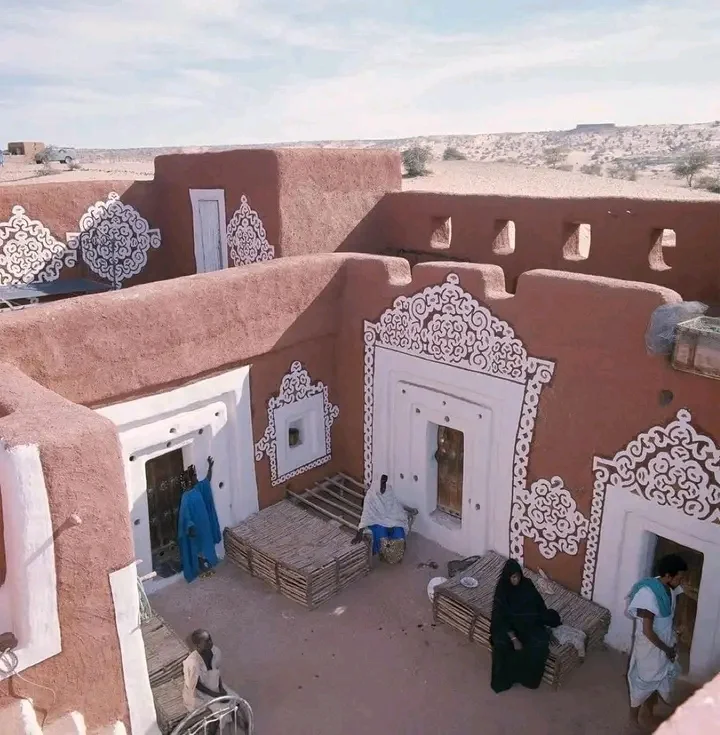
Hodh Ech Chargui region: Oualata, UNESCO-listed for its wall decoration, and Néma at the end of the Route de l'Espoir.