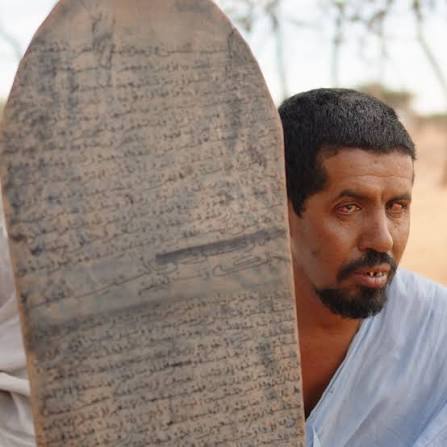
Timbédra — also written Timbedgha — lies in the Hodh Ech Chargui region of south-eastern Mauritania and ranks among the country's foremost cultural and historical centres; locally it goes by the affectionate nickname Itnibé. Its appeal combines a deep human heritage with varied landscapes, making it both a base for exploring the history of the ancient African kingdoms and a capital of Chinguetti art and letters. Some 65 to 70 km to the south, the department contains the archaeological site of Koumbi Saleh, political capital of the historic Ghana Empire and inscribed on Mauritania's UNESCO World Heritage tentative list — which makes Timbédra a natural starting point for archaeological and exploratory travel. The town is also historically the cradle of traditional Mauritanian music, the hawl, and of popular literature: for more than two centuries it has kept its artistic legacy alive, drawing lovers of authentic Moorish song and folklore eager to discover the local modes. East of the department lies the well-known Lake Mahmouda, one of the region's finest destinations for ecotourism and scenery, especially during the rainy season when the land turns green and attracts birds and herds. Visiting Timbédra and its outlying villages also means living culture first-hand: sharing the life of the nomad encampments and taking part in the three rounds of the Mauritanian tea ritual.
🇲🇷 Mauritania
Timbédra
What to see
 4 ⬚
4 ⬚
Dali Koumbé
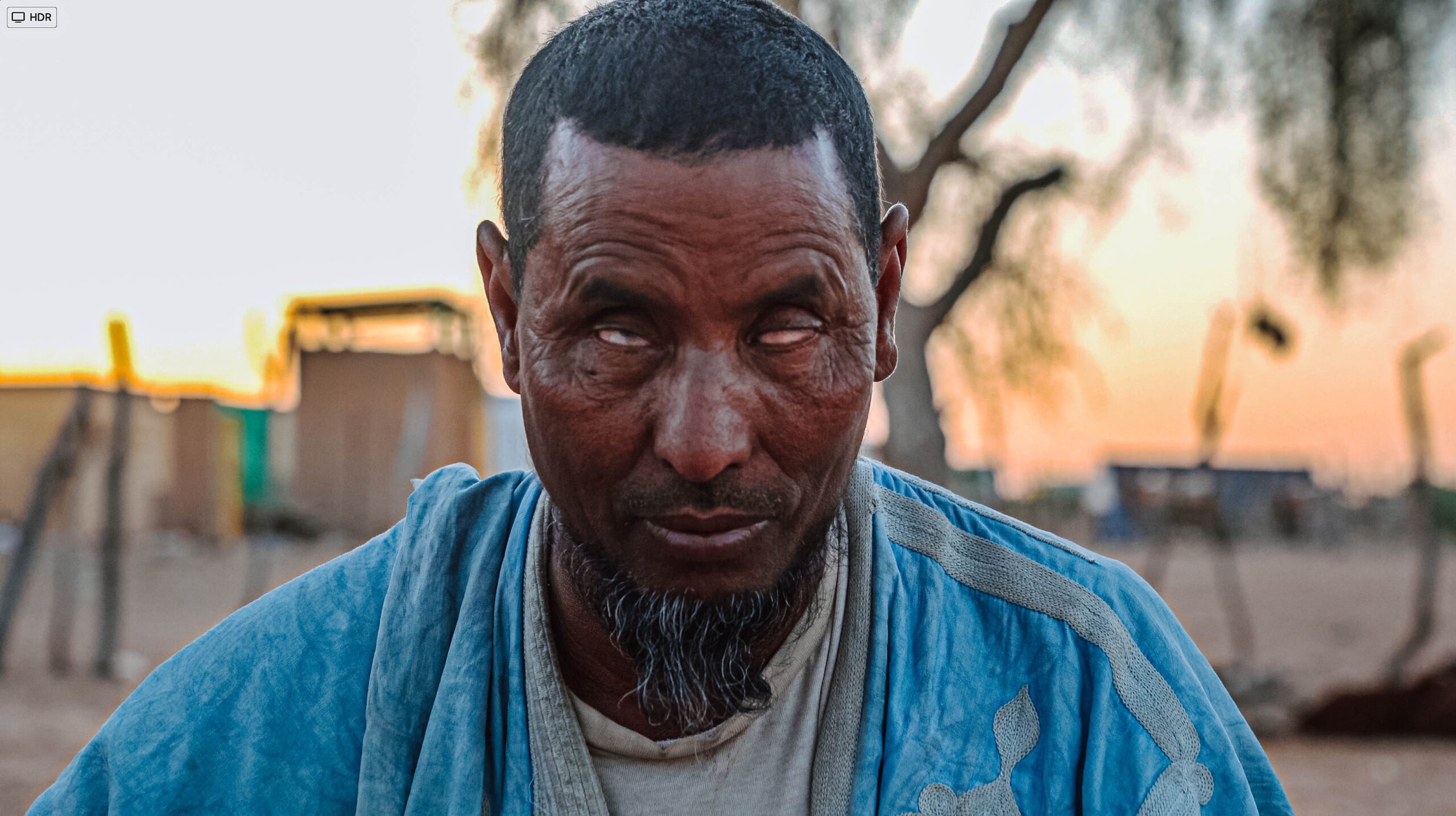
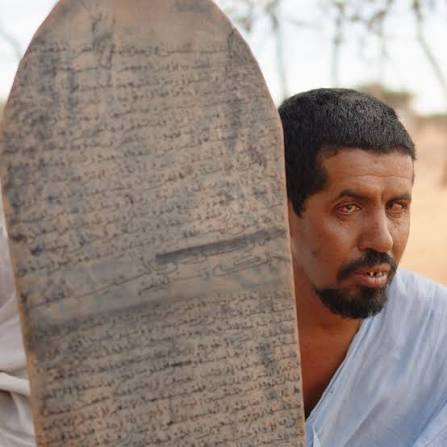
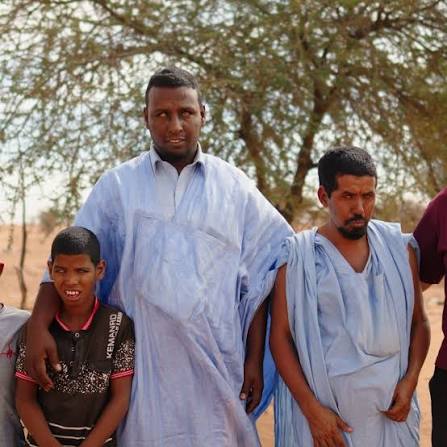
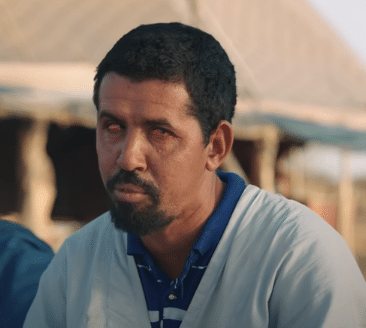
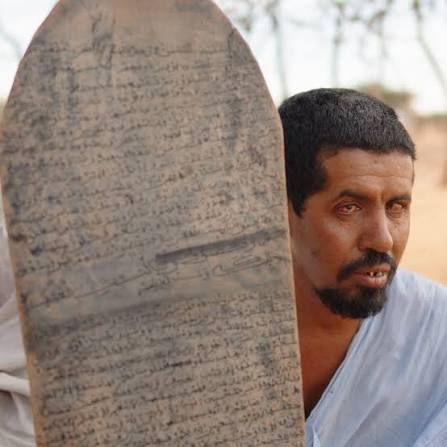
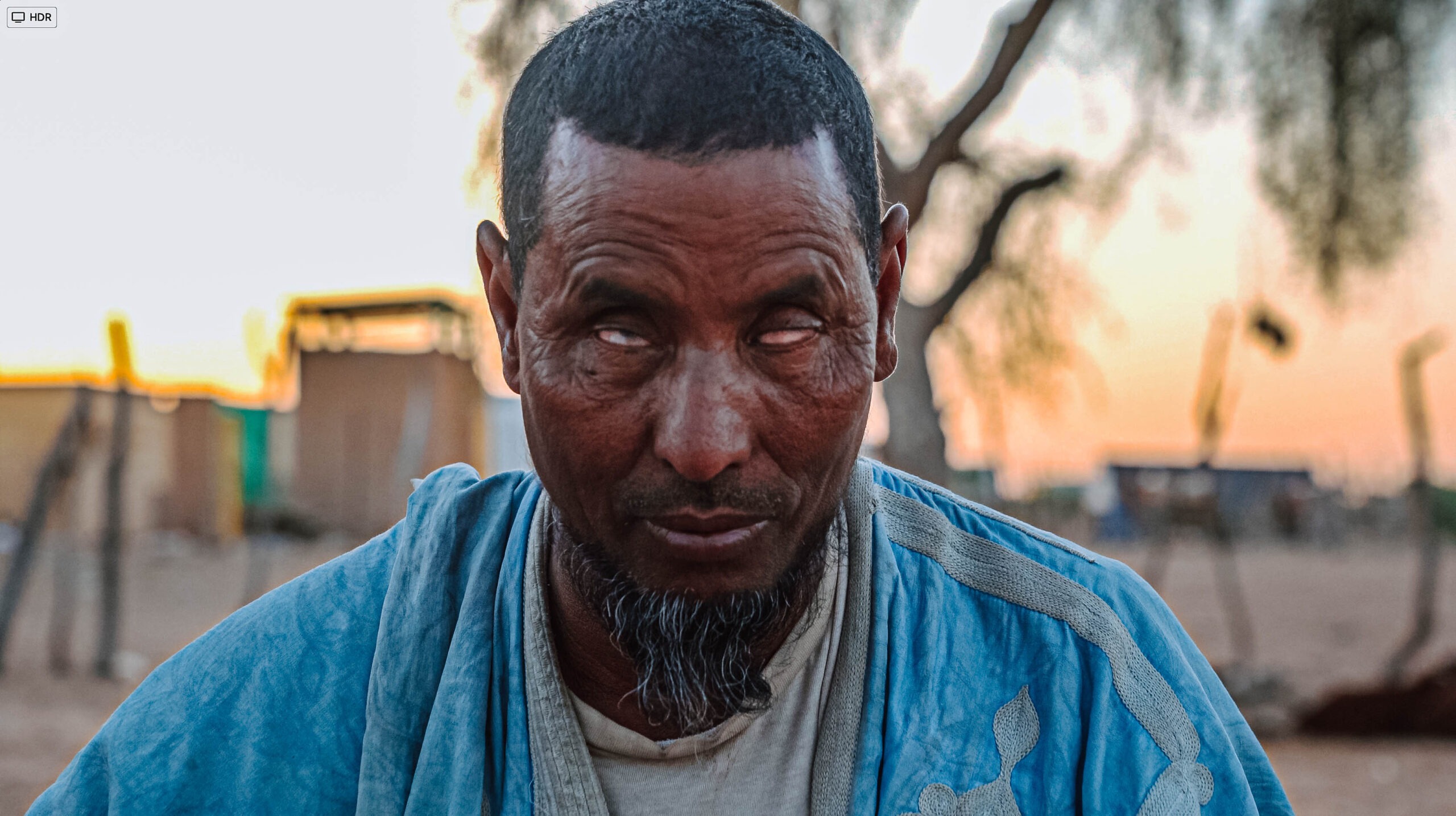
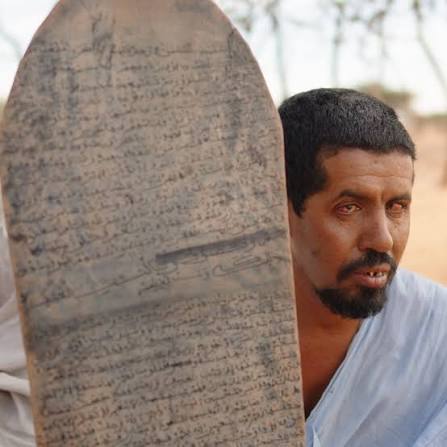
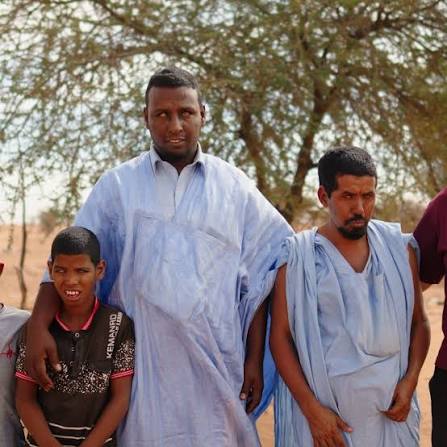
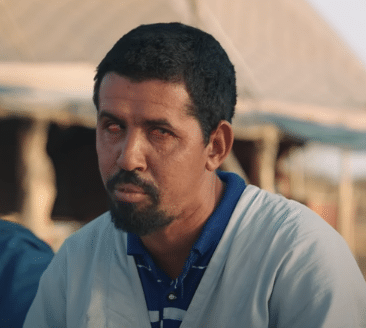
Dali Koumbé is a village in south-eastern Mauritania, about 60 km from the department of Timbédra, known for a phenomenon found almost nowhere else in the world: of its roughly 200 inhabitants, some 180 live with congenital blindness. Local tradition traces its origin to an old prophecy passed down through the generations, about a woman who dreamt she would give birth to a righteous man who would be blind. Science offers another explanation: a dominant mutation of the GJA8 gene, essential to the growth of the eye's lens and the maturation of its fibre cells, which causes congenital cataract. Because the inheritance pattern is dominant, a single copy of the mutation is enough for the condition to appear, which explains its recurrence in the same families over successive generations. Despite this challenge, the villagers have developed remarkable strategies of adaptation: they move easily through their environment using their other senses, and their community is marked by strong social cohesion and spirituality. Among its best-known figures is Cheikh Mohamed Mahmoud, a blind imam who teaches the Quran to the village children. The inhabitants live mainly from farming and from services provided to neighbouring villages.
 4 ⬚
4 ⬚
Koumbi Saleh
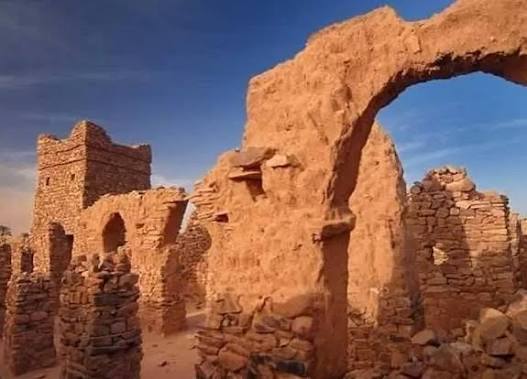
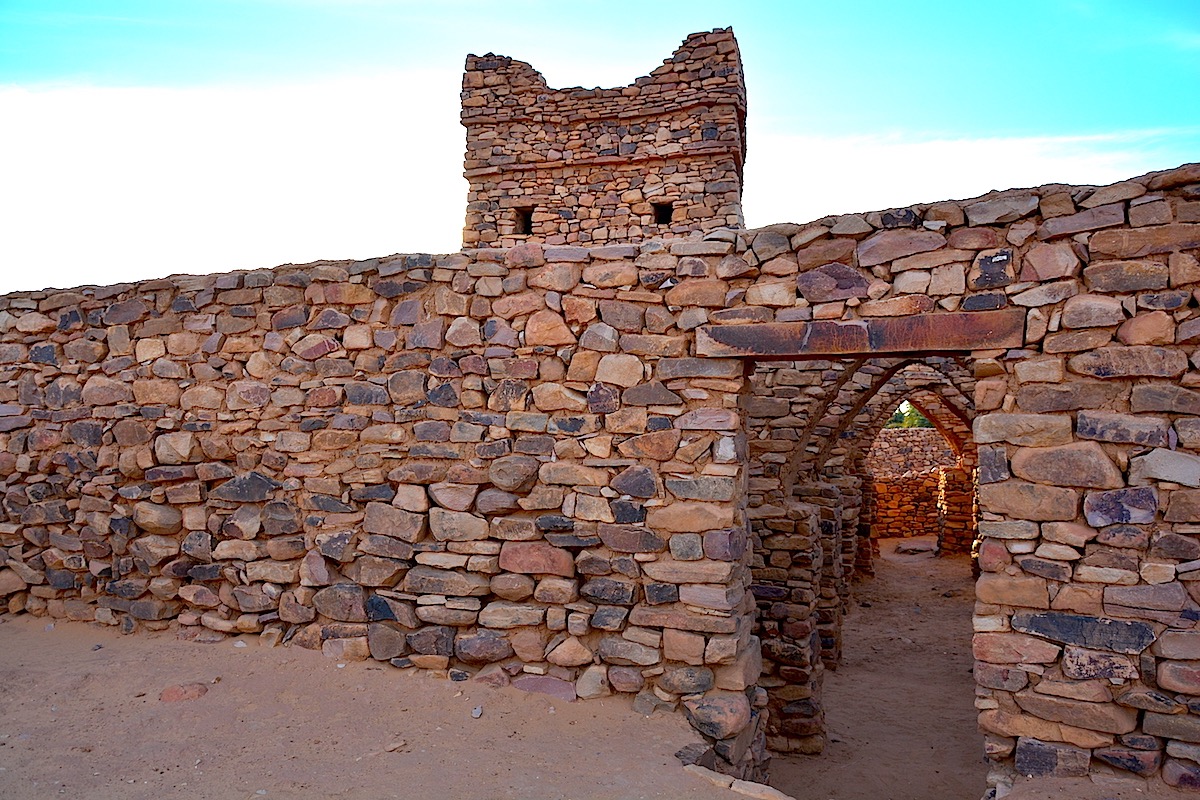
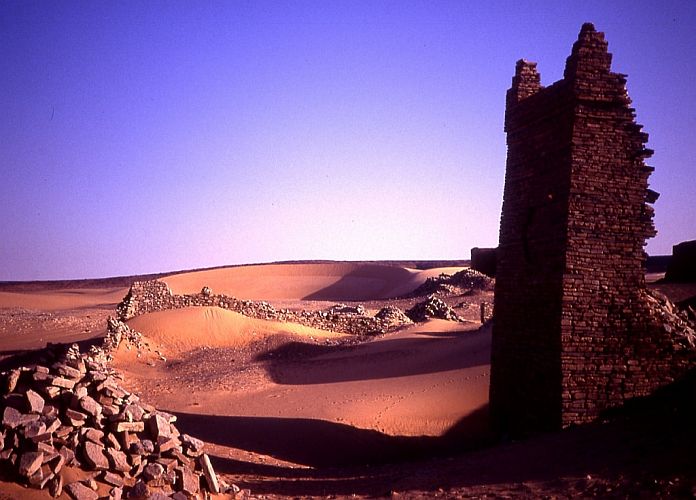
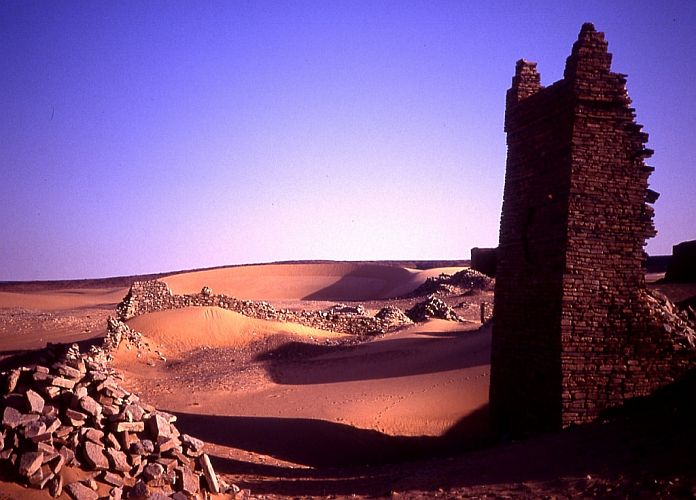
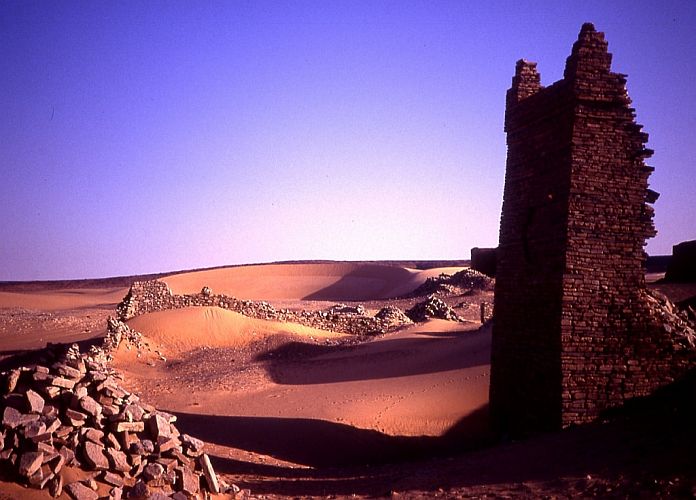
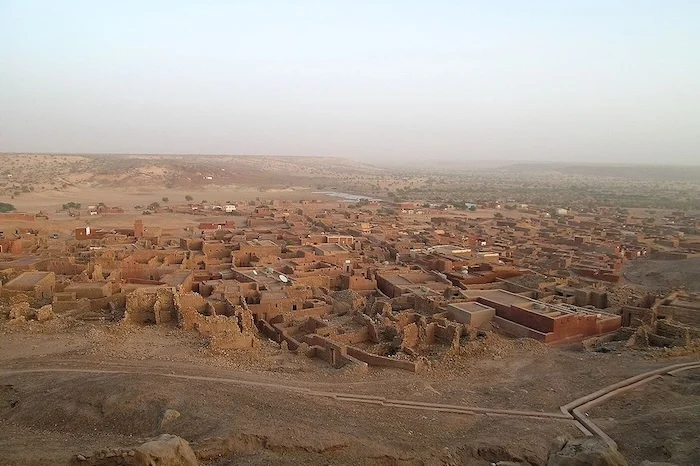
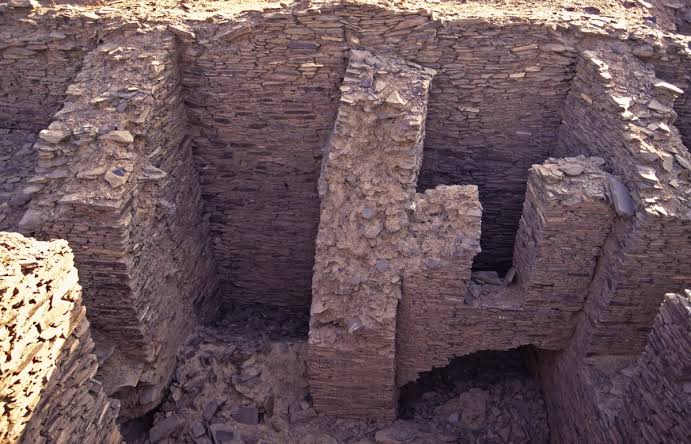
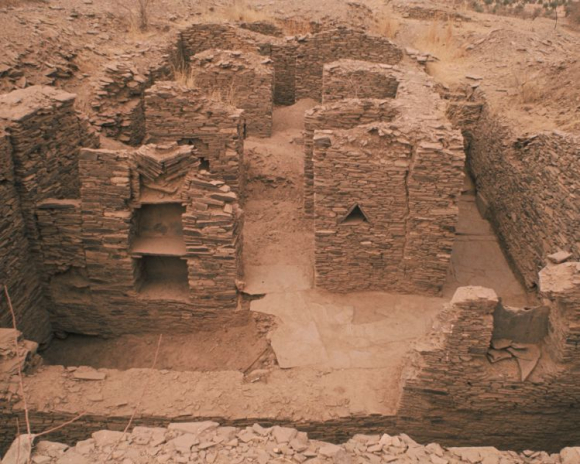
Koumbi Saleh, in the Hodh Ech Chargui region of south-eastern Mauritania near the Malian border, is one of West Africa's most important archaeological sites: it is identified with the capital of the ancient Ghana Empire, known to its Soninke founders as Wagadu. From the 8th to the 13th century the city was a pivotal hub of the trans-Saharan trade network. Standing where the arid Sahara meets the fertile Sudanese savanna, it channelled West African gold, ivory and agricultural surplus northwards in exchange for salt, textiles, copper and horses. In 1068 the Andalusian geographer Abu Ubayd al-Bakri described it in his Book of Roads and Kingdoms as a twin city: a merchants' town, home to Muslim traders and scholars and to twelve mosques, and a royal town in a sacred grove, seat of the non-Muslim Soninke king with his palace, courts and ancestral shrines. Excavations begun in 1914 and continued by Thomassey and Mauny, then Robert and Berthier, have revealed an urban complex of some 45 hectares with paved streets, a monumental congregational mosque and buildings of dry-laid schist slabs bonded with mud mortar (banco); at its height the population reached 15,000 to 20,000. Its decline was gradual rather than catastrophic: increasing drought, the eastward shift of trade routes towards Timbuktu and Gao, conquest by the Sosso around 1203 and absorption into the Mali Empire around 1240 led to complete abandonment by the 15th century. The site is on Mauritania's UNESCO World Heritage tentative list.
Gallery