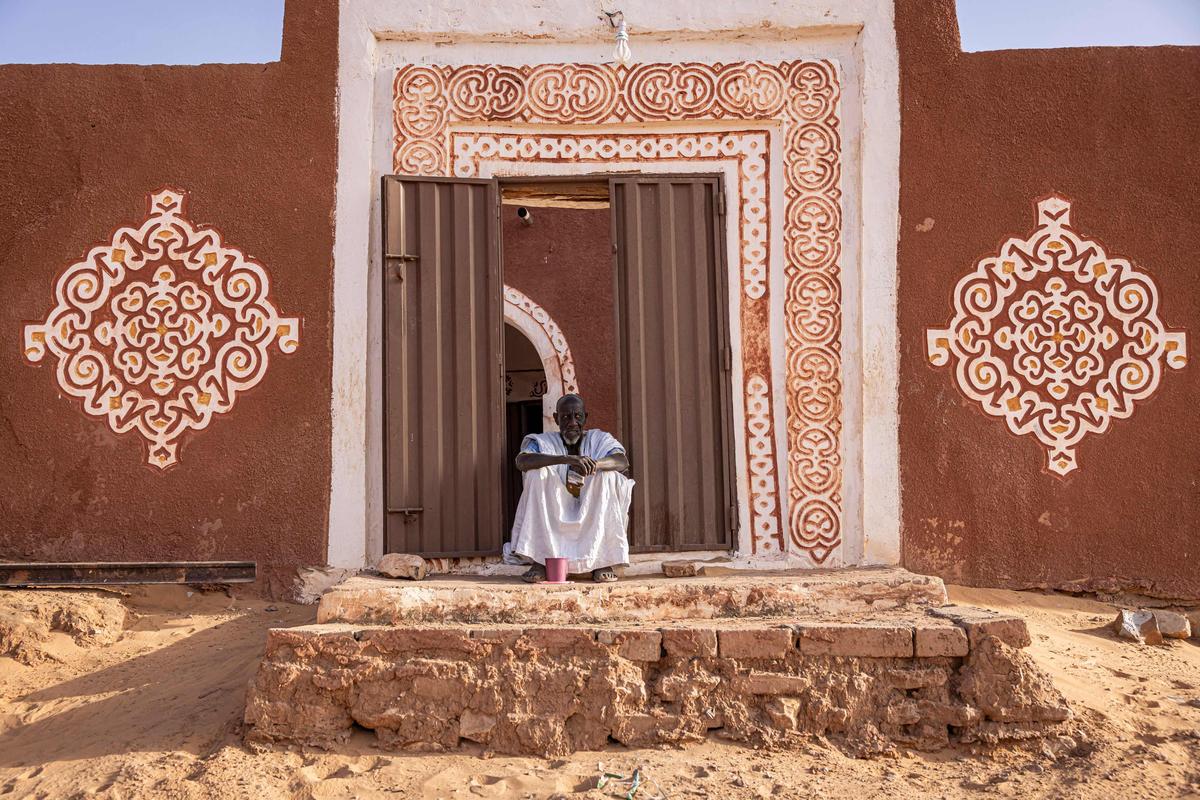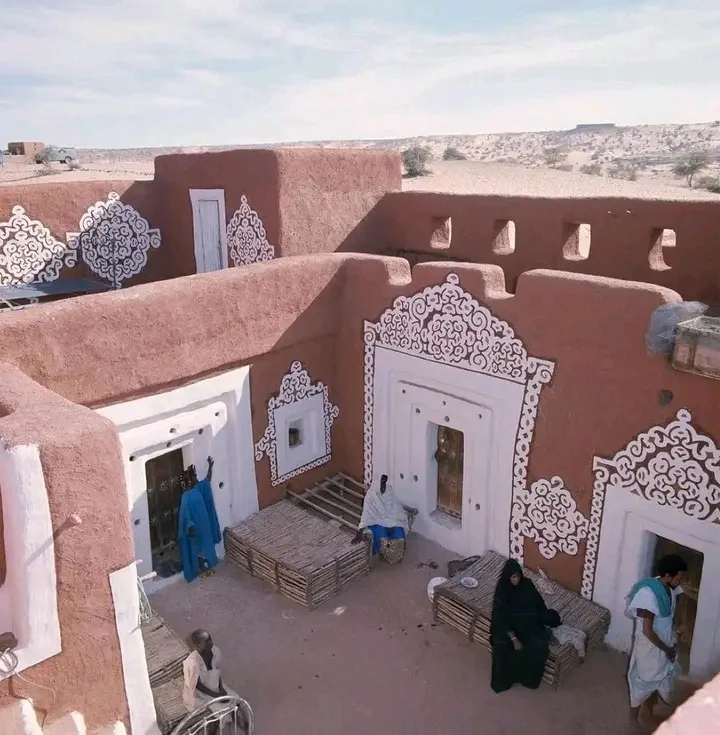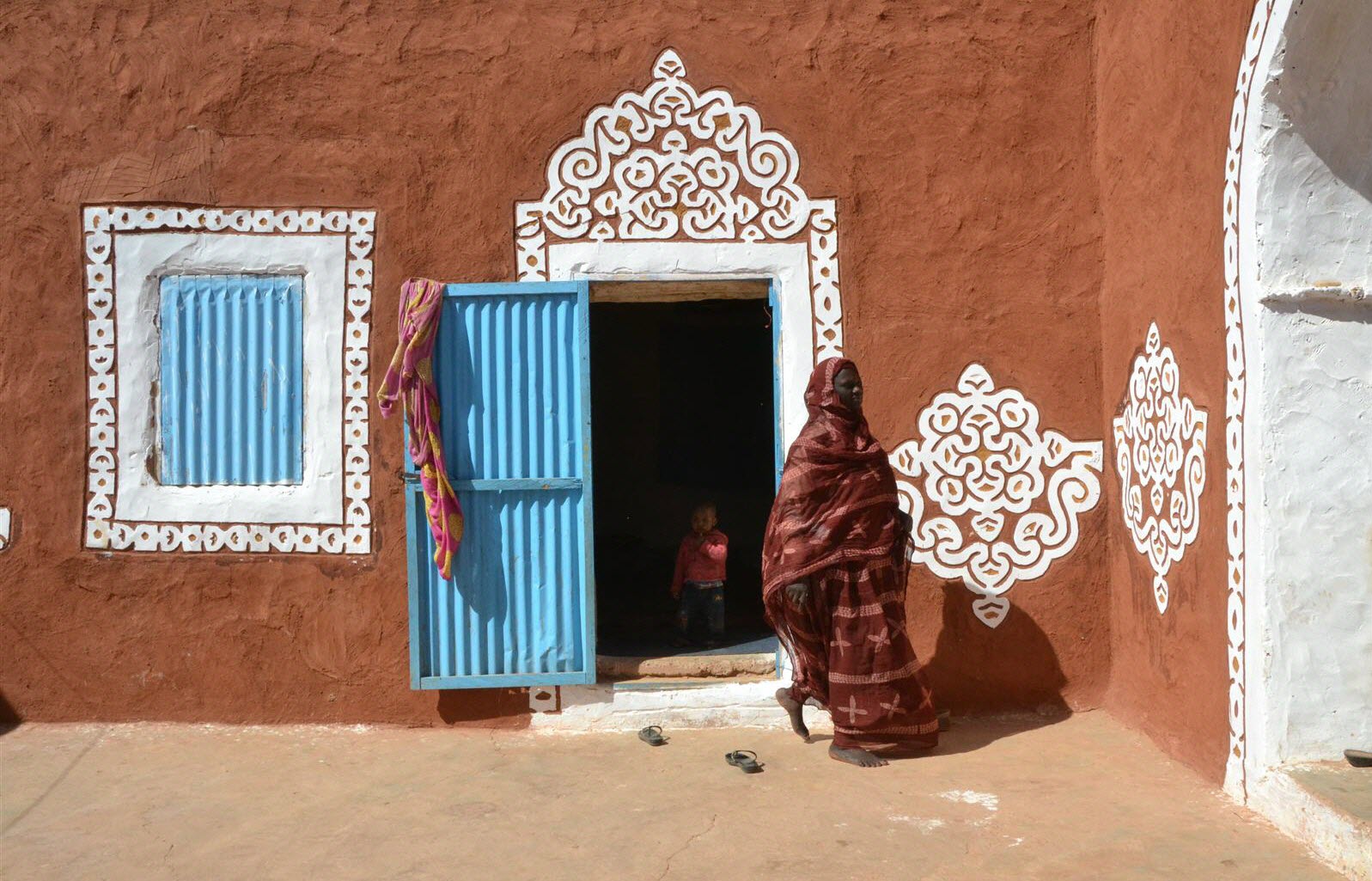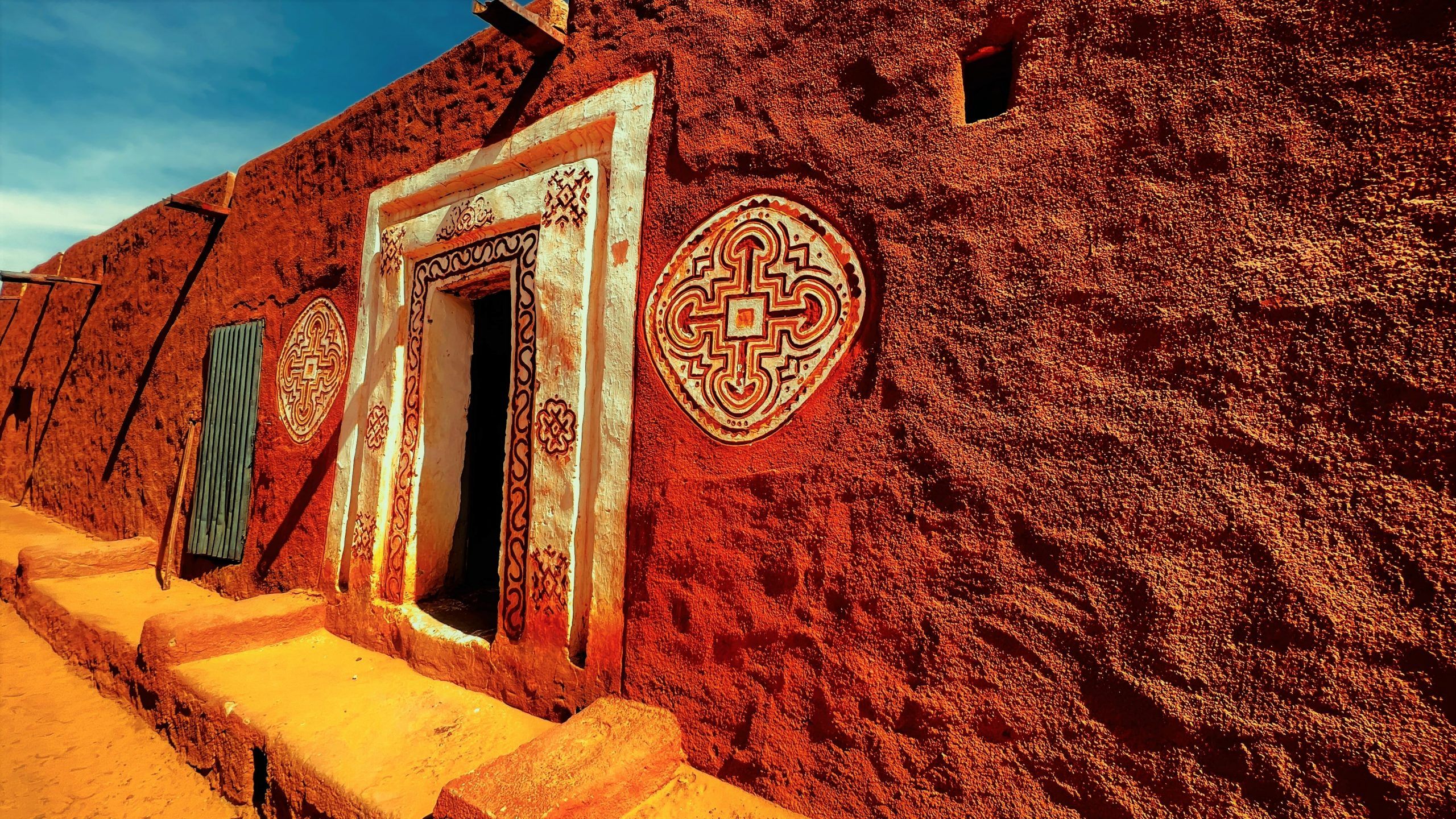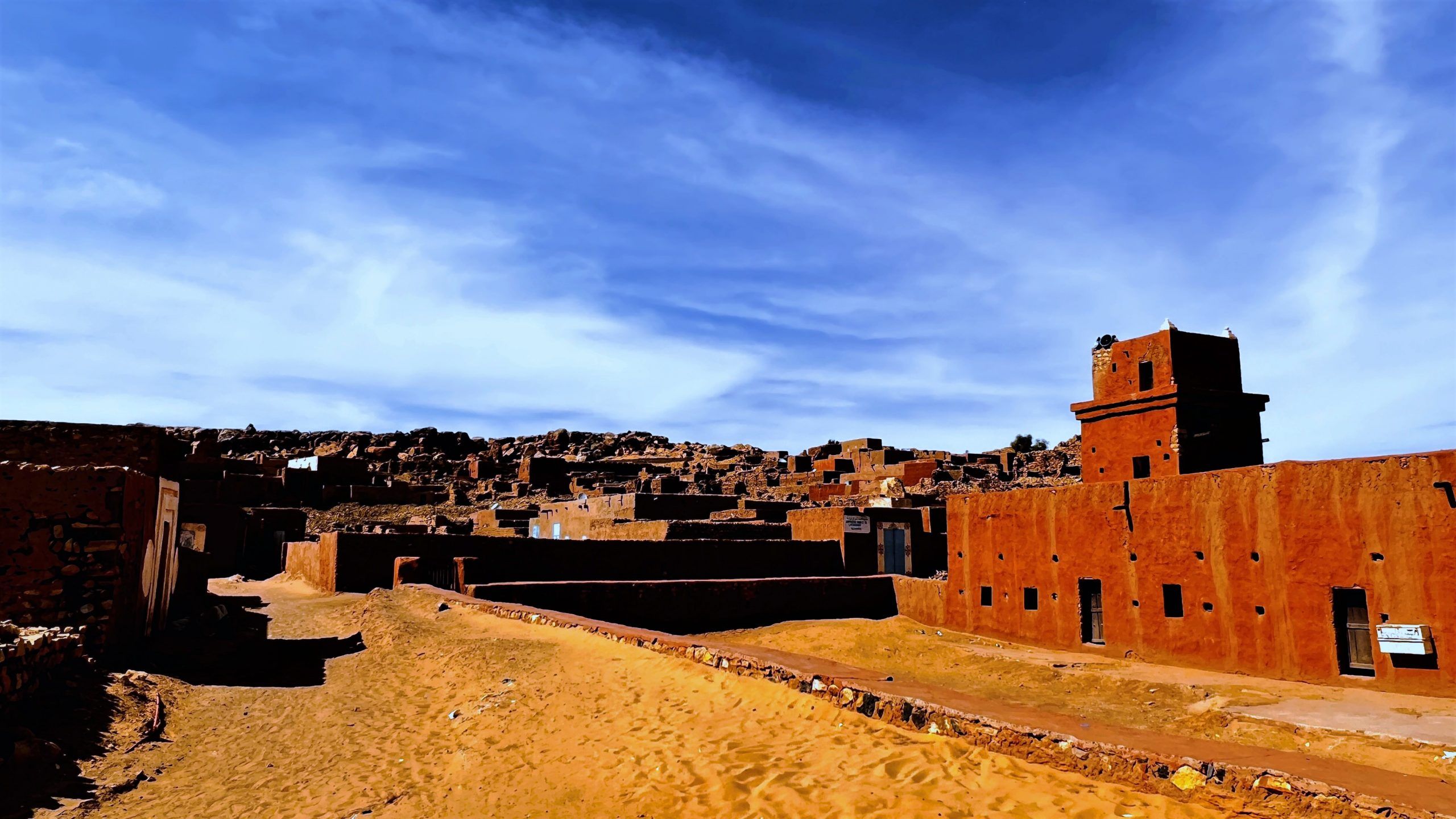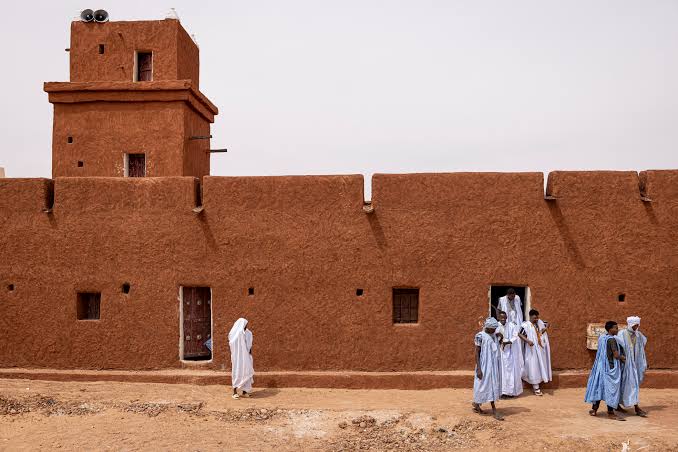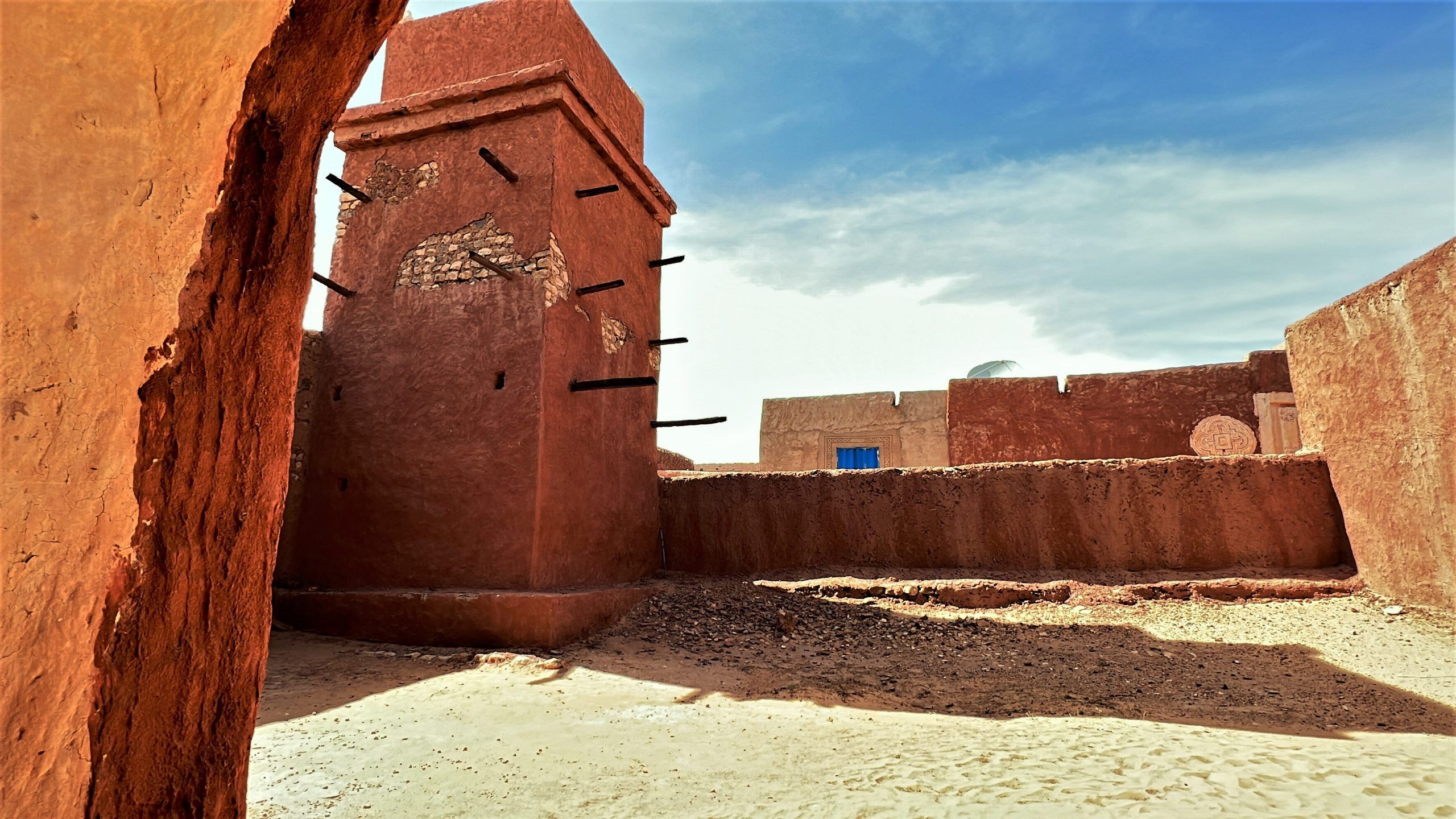
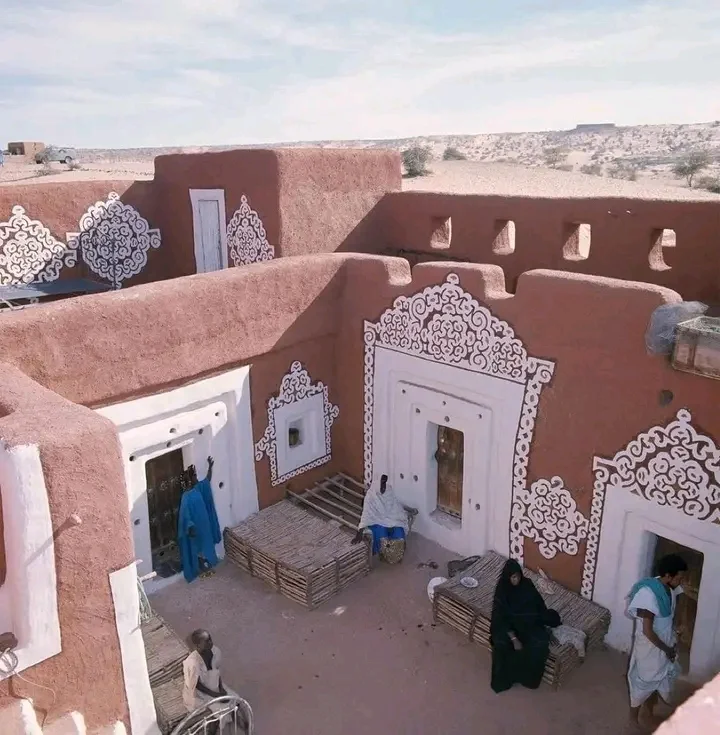
Néma lies at the far eastern edge of Mauritania, some 1,200 km east of the capital Nouakchott, along the eastern and south-eastern border with Mali. Founded roughly two centuries ago, it is the principal city of eastern Mauritania and the capital of the densely populated Hodh Ech Chargui region. It is connected to Nouakchott by the Route de l'Espoir — the "Road of Hope" — which runs for about 1,200 km and links most of the towns between the capital and Néma. The city sits in a broad wadi ringed by hills and high ground on every side except the west, which remains its near-sole outlet. Its climate is desert: temperatures climb towards 50 °C in summer and fall below 20 °C in winter. Néma is above all a pastoral and agricultural city, home to a large share of the country's livestock and, together with the other eastern regions, a supplier of animals to the rest of Mauritania; rain-fed farming is widespread in its outskirts and countryside, thanks to the abundant rains of the kharif season, which make this one of the better-watered areas of the country. Néma is also a lively trading hub: its proximity to the Malian border has turned it over time into a centre of commercial exchange and a transit point for cars, trucks and trade convoys bound for Mali, a role reinforced as landlocked Mali came to route part of its imports through the port of Nouakchott.
🇲🇷 Mauritania
Néma
What to see
Bassikounou (Hodh Ech Chargui) — Border Town on the Route de l'Espoir
Bassikounou (also spelt Bassiknou) is a town and commune in the far south-east of Mauritania, in the Hodh Ech Chargui region, and the capital of the moughataa of the same name, only a few dozen kilometres from the border with Mali. In 2026 the urban population of its commune is estimated at around 22,628. Its position defines its character: a border town connected to the Route de l'Espoir, the axis linking south-eastern Mauritania to Mali, it is the last major settlement before the frontier and the first stop for anyone arriving from the other side. That gives it the rhythm of frontier towns — markets where the goods of two countries meet, a constant movement of trucks and transport, and a community of many strands, between the peoples of the Hodh Ech Chargui and the Malian neighbourhood, with their dialects, food and music. All around stretch the steppes of the Hodh: wide open land, acacias, herds of camels and cattle that form the backbone of the pastoral economy, and seasonal pools that come alive after the rains, drawing herders and birds. For the traveller, Bassikounou is not a classic tourist destination but an authentic frontier experience: a lively market, desert hospitality, and a long road across the Hodh Ech Chargui from Néma through landscapes few visitors to Mauritania ever see.
Gallery