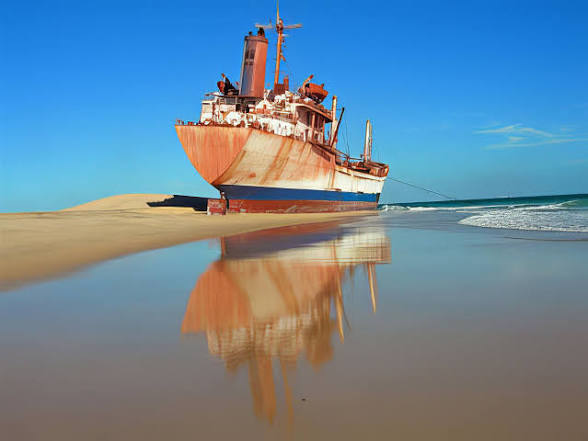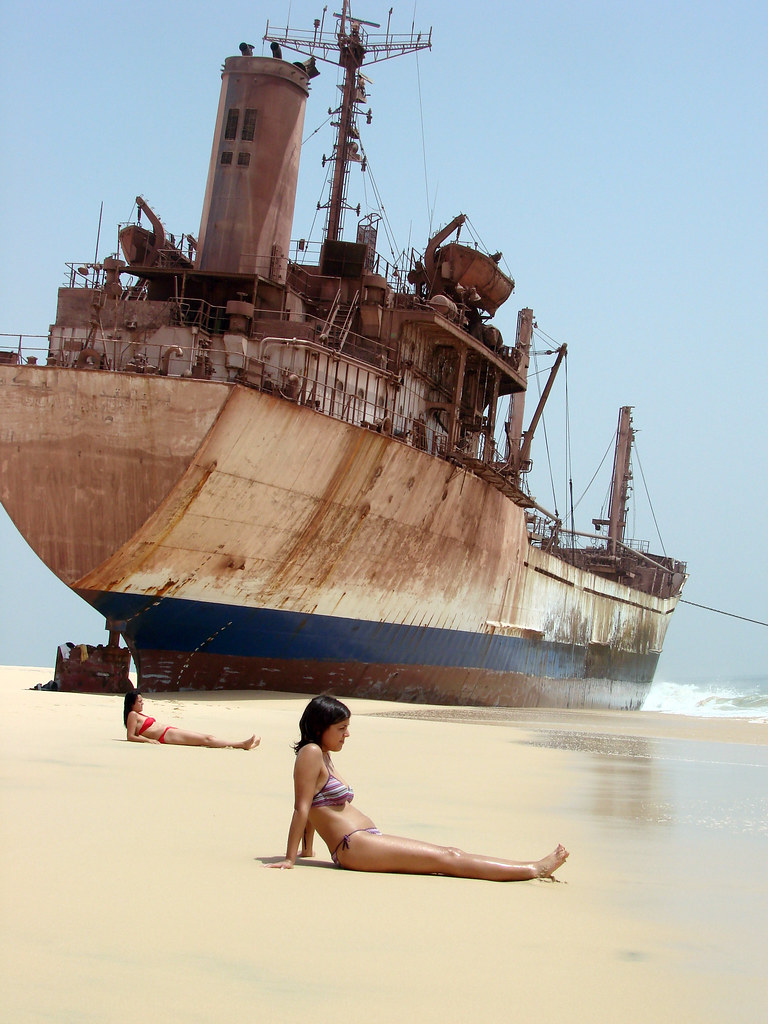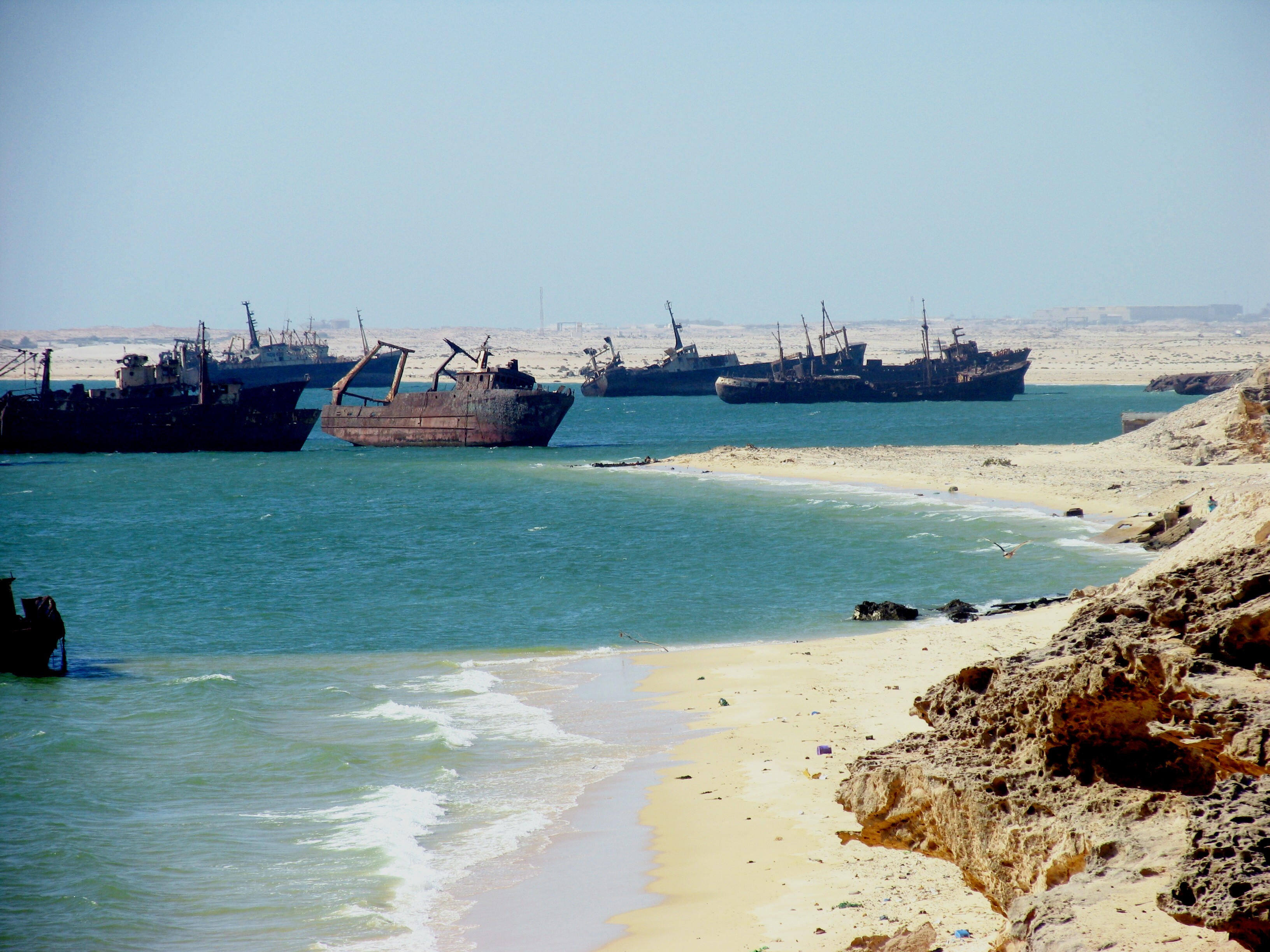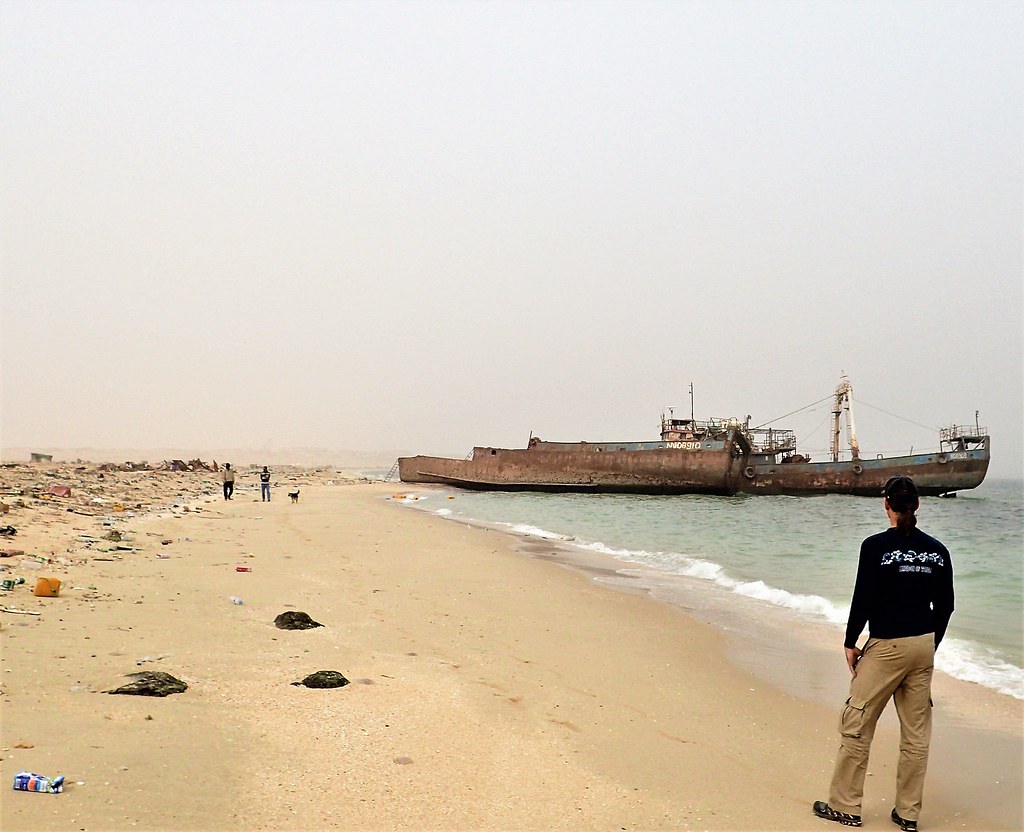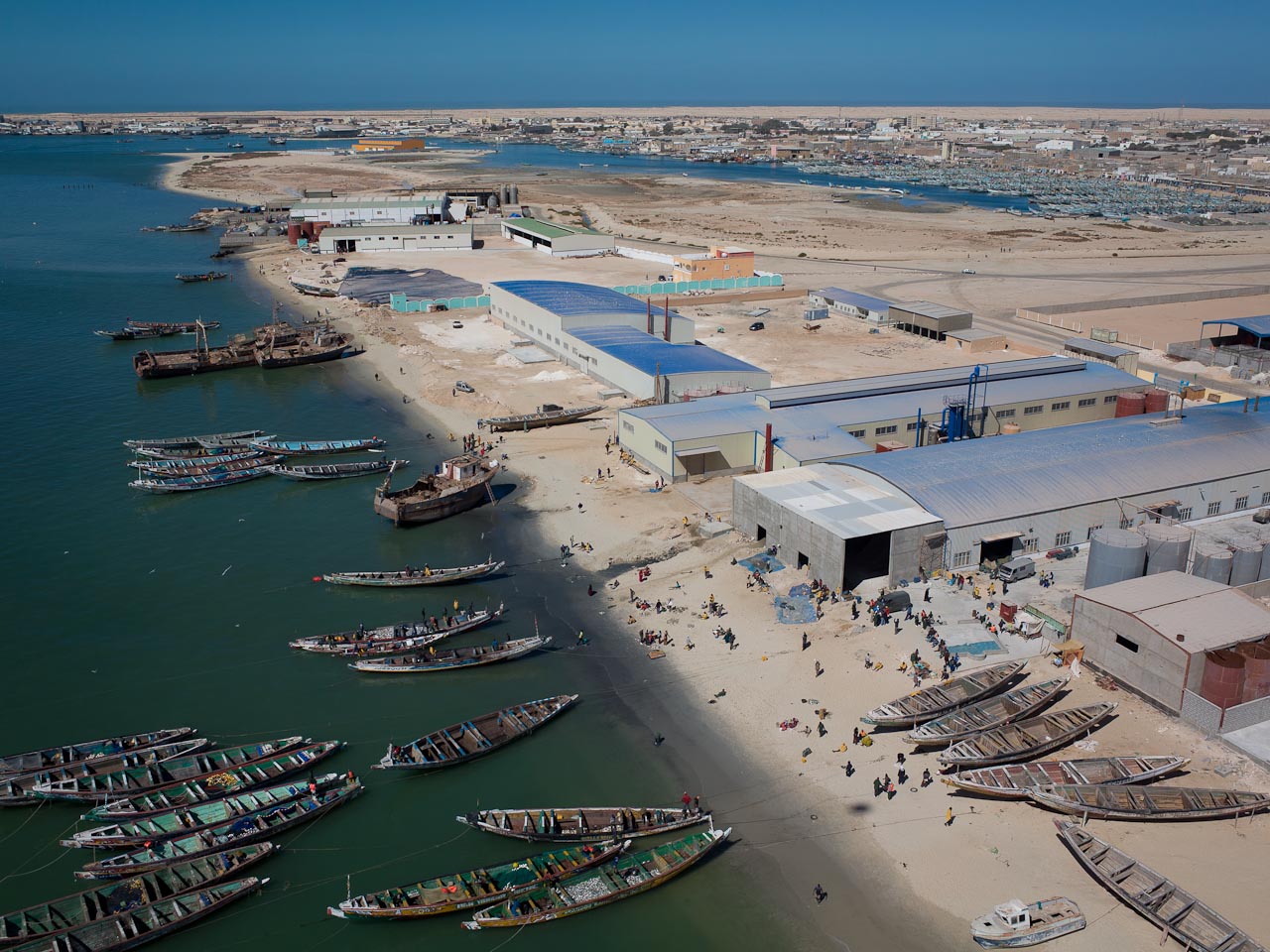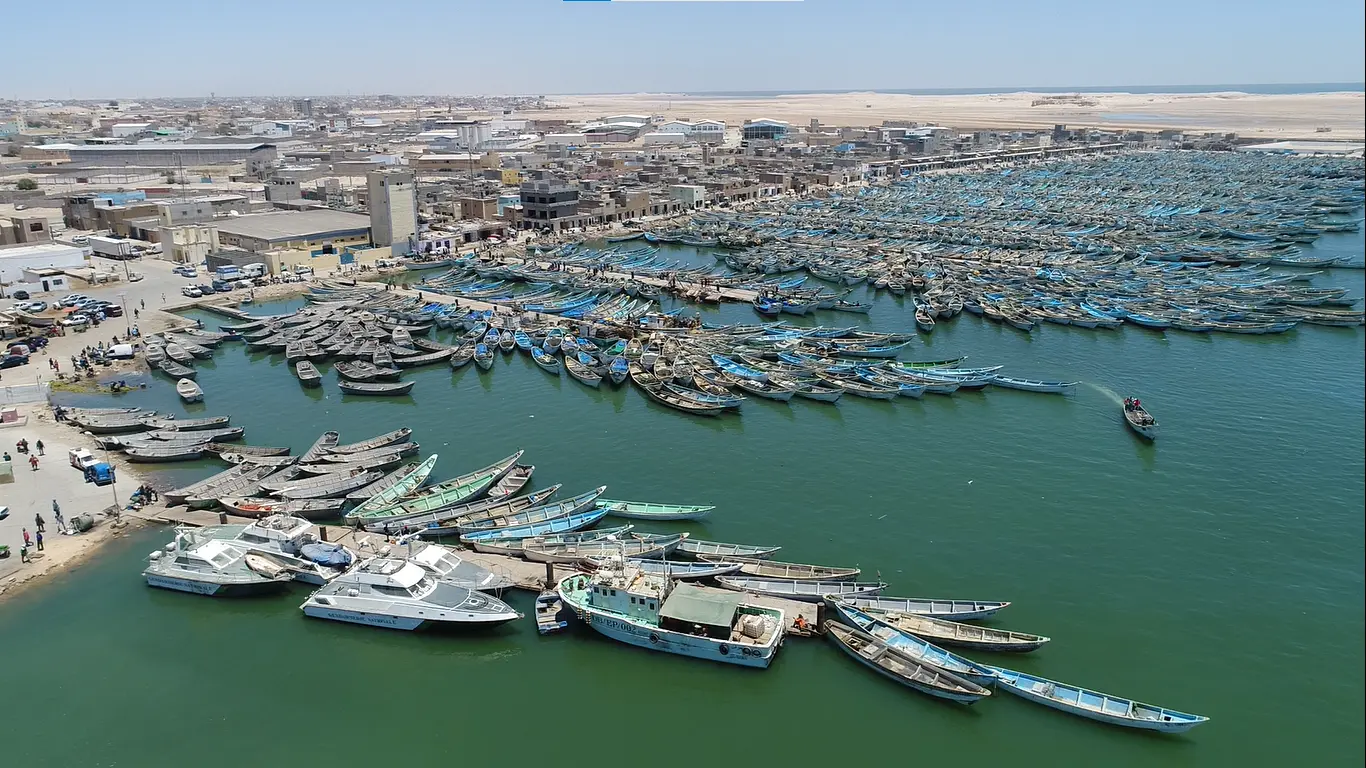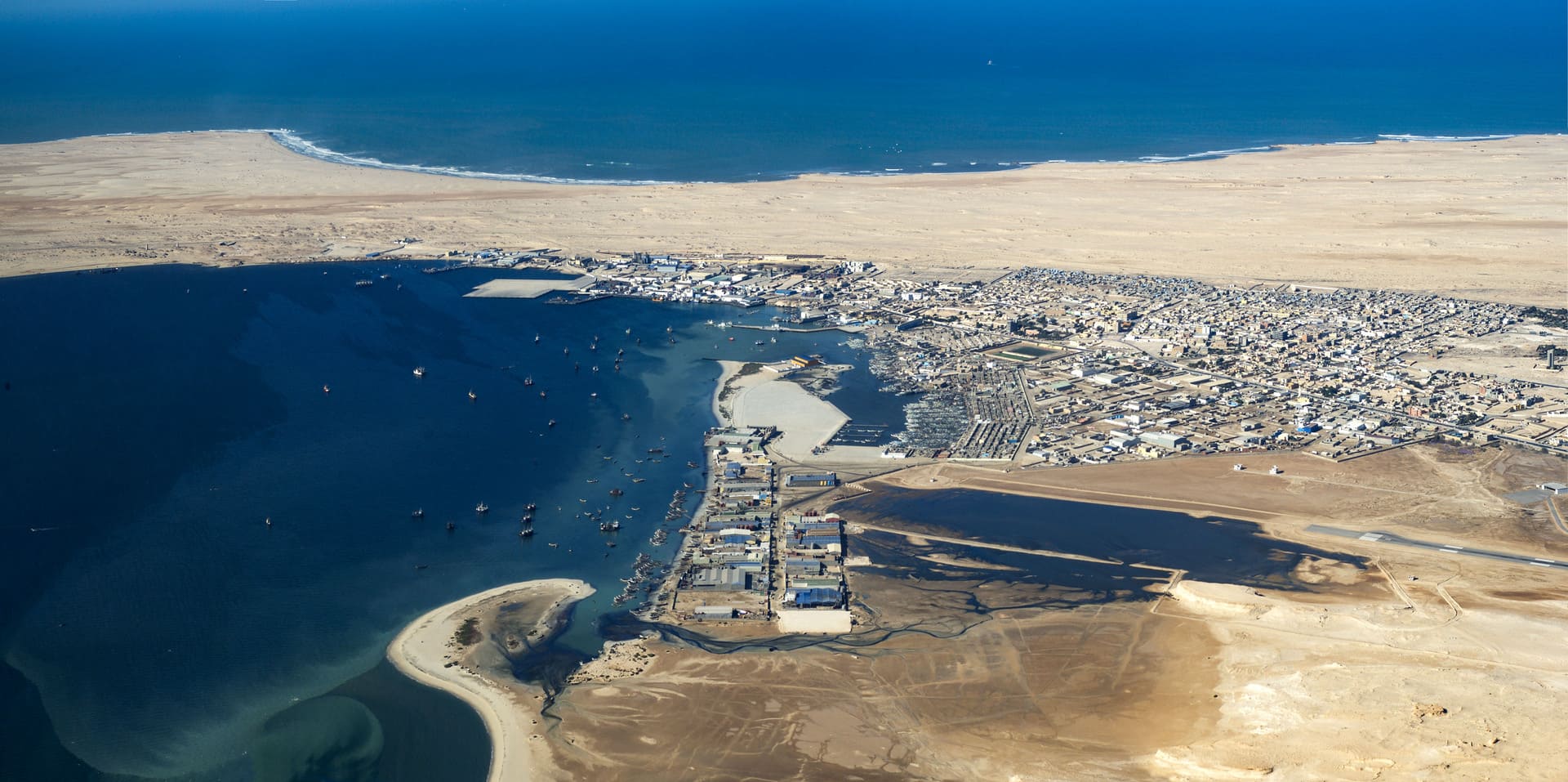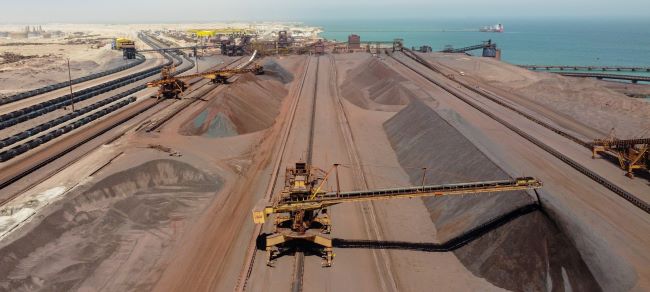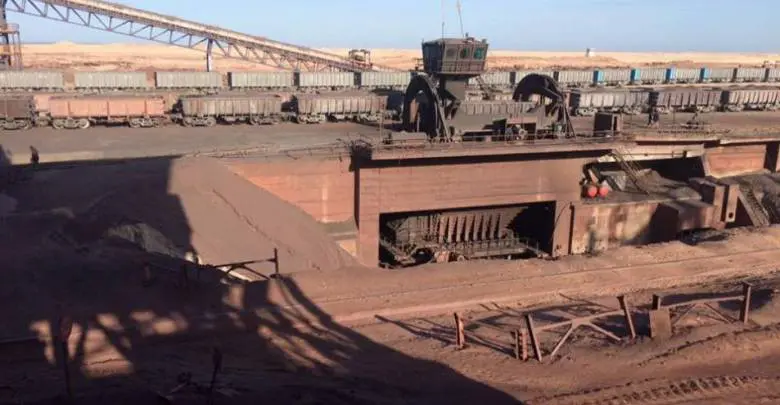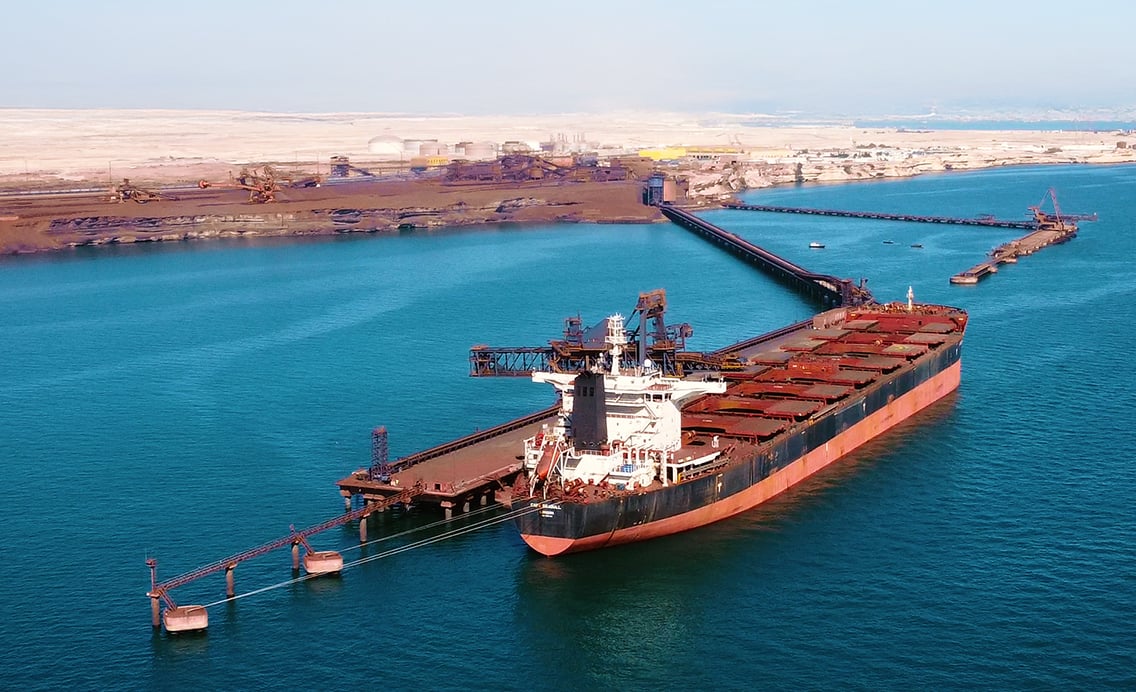
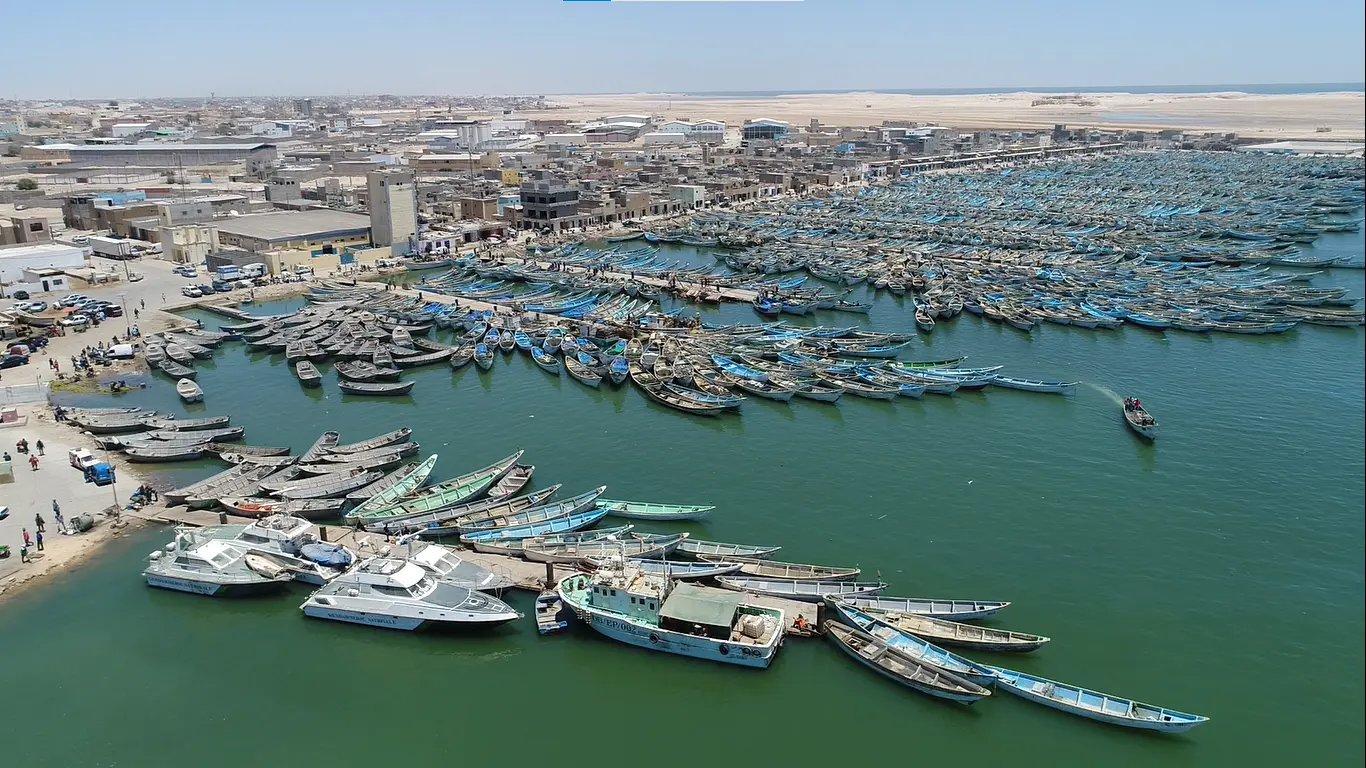
Where the railway ends and the Atlantic begins. Nouadhibou sits on the Cape Blanc peninsula in north-western Mauritania, facing a bay that shelters it from the ocean. The town grew out of fishing, which is still part of its life, but its character changed in 1964, when a dedicated pier and a 674-kilometre railway to the iron mountains near Zouérat and Fdérik were completed. Since then the port has been the outlet for Mauritanian iron ore bound for Europe and the United States. The town has an international airport, and Banc d'Arguin National Park — a UNESCO World Heritage site since 1989 — lies nearby.
Nouadhibou
What to see
Cap Blanc Peninsula (Râs Nouadhibou)
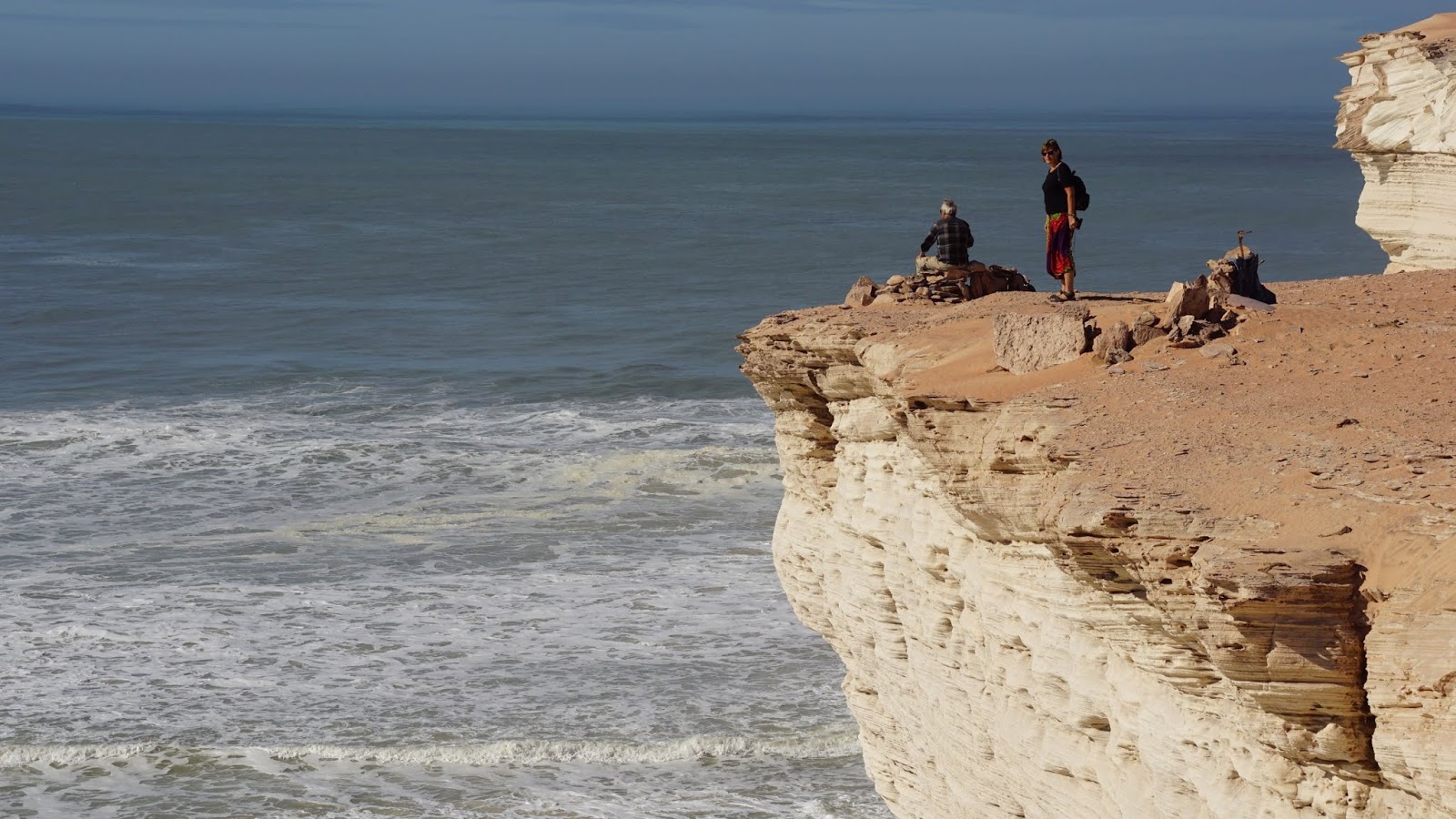
A strip of land where the Sahara meets the Atlantic, the Cap Blanc peninsula — Râs Nouadhibou — forms the natural boundary of the Dakhlet Nouadhibou bay. Shared between Mauritania to the south and Western Sahara to the north, its Mauritanian side is home to Nouadhibou, the country's economic capital. The cape is first and foremost a natural site of major importance: it is a satellite reserve of the Banc d'Arguin National Park. While the main park has been inscribed on the UNESCO World Heritage List since 1989, the Cap Blanc reserve was explicitly excluded from that inscription. Its protected status aims to preserve a unique ecosystem shaped by the meeting of desert and ocean, and to safeguard threatened species. The peninsula offers contrasting landscapes, between cliffs plunging into the ocean and the calm waters of the bay. Its chief treasure is its biodiversity: the cliffs shelter one of the world's most important colonies of Mediterranean monk seal (Monachus monachus), a species listed as Vulnerable by the IUCN after conservation efforts brought a marked rise in its numbers. The caves at the foot of the cliffs serve as refuge and breeding grounds for this population, and the seals are observed only from a distance so as not to disturb them. The site is also a stopover and resting place for many migratory birds travelling between Europe and Africa: birdwatchers can spot pelicans, gulls, terns and cormorants. The landscape itself — red sand cliffs and an old lighthouse — is a remarkable spectacle in its own right.
Gallery